Understanding Fly Fishing Accessories
What Are Fly Fishing Accessories?
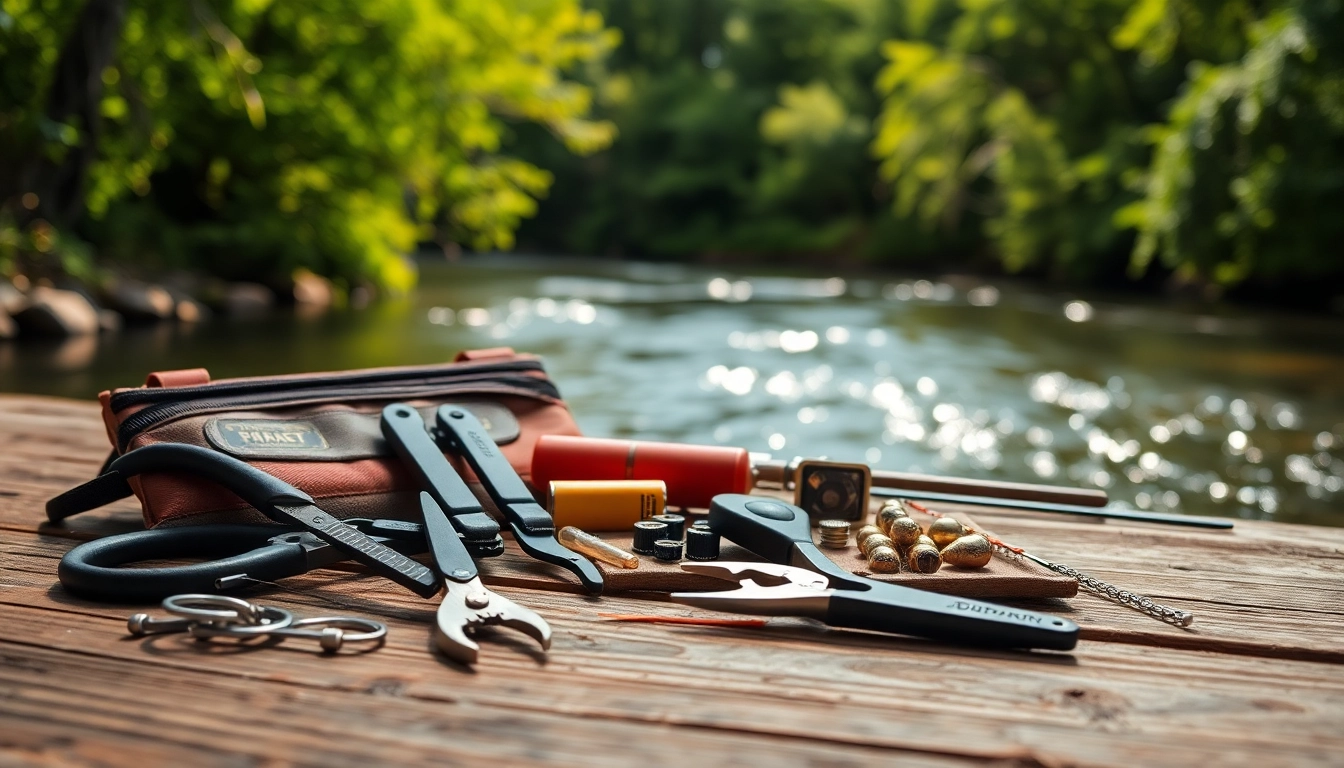
Fly fishing accessories encompass a range of tools and items that enhance the fly fishing experience, ensuring anglers have everything necessary for a successful outing. From essential items like fly boxes to tools such as nippers and hemostats, each accessory plays a specific role in making fly fishing more efficient and enjoyable. By using Fly fishing accessories, anglers can streamline their setup, increase their catch rates, and tackle various fishing scenarios effectively.
Importance of Quality in Fly Fishing Accessories
Investing in high-quality fly fishing accessories can significantly impact an angler's success and enjoyment. Premium materials ensure durability, reliability, and performance, which are crucial when battling the elements or battling a fish. For instance, high-grade nippers will cut line cleanly without fraying it, while quality floatants will keep flies buoyant, enhancing their effectiveness. The saying "you get what you pay for" holds especially true in the world of fishing, where low-quality gear can lead to frustration and missed opportunities.
Safety Considerations with Fly Fishing Accessories
Safety is paramount when engaging in fly fishing, particularly in remote locations or during challenging conditions. Accessories such as personal flotation devices (PFDs) and wading belts can protect anglers from potential hazards in the water. Additionally, incorporating tools like hemostats for hook removal can prevent injury to both the angler and the fish. Lastly, ensuring proper storage of accessories helps minimize risk; tools should be organized to avoid losing them in the water or injuring oneself while reaching for them.
Must-Have Fly Fishing Accessories
Nippers and Hemostats
Nippers are essential for swiftly cutting line when necessary, whether you're tying knots or changing flies. A reliable pair keeps your setup efficient, particularly during fast-paced fishing situations. Hemostats, on the other hand, serve various purposes, primarily in safely removing hooks from fish. Investing in high-quality nippers and hemostats can reduce wear on gear and enhance your fishing experience significantly.
Floatants and Strike Indicators
Floatants are critical when it comes to keeping your flies on the surface. They ensure that dry flies remain buoyant, allowing for better visibility and attraction to fish. Strike indicators, which signal when a fish bites, can also mean the difference between a full day’s catch and an empty basket. Both tools should be chosen with care to match the specific types of flies being used and the fishing conditions.
Fishing Line and Tippet: What You Need
Your fishing line acts as the lifeline between you and the fish, making it essential to choose the right type. Fly leaders are typically tapered, and the tippet connects the fly to the line. Understanding the right weight, strength, and material is vital for effective fishing. Using a high-quality tippet ensures that you have the right balance during fights with larger fish while maintaining a nearly invisible profile to prevent spooking them.
Choosing the Right Fly Fishing Accessories
How to Select Quality Tools
When selecting fly fishing accessories, consider key factors such as material, brand reputation, and customer reviews. Look for tools made from corrosion-resistant materials, especially if you frequently fish in saltwater. Analyzing ratings and feedback from other anglers can also provide insight into the performance and reliability of various accessories.
Personal Preferences vs. Brand Popularity
While brand popularity can reflect quality, personal preferences should ultimately guide your choices in fly fishing accessories. Individual comfort and usability play a significant role in ensuring a successful fishing trip. Testing out accessories, whenever possible, can help you find what feels right for you, rather than simply following trends established by other anglers.
Testing Accessories Before Purchase
Whenever feasible, test accessories before making a commitment. This could mean trying items at local fly shops or borrowing gear from fellow anglers. Testing the feel, weight, and usability of each tool can reveal functionality that you might not get from merely reading a product description. This hands-on approach ensures that the accessories you choose will meet your unique fishing needs.
Care and Maintenance of Your Fly Fishing Accessories
Cleaning Techniques for Fly Fishing Accessories
Keeping your fly fishing accessories in pristine condition is essential for longevity. Regularly rinse tools, especially after saltwater use, to prevent corrosion and damage. Cleaning flies and maintaining your tackle will also enhance performance while reducing the likelihood of unwanted issues during a fishing trip.
Storage Solutions for Longevity
Store your accessories properly to avoid wear and tear. Use tackle boxes to organize small items like hooks, weights, and fly patterns. Nippers and hemostats should be stored in a safe place to avoid losing or breaking them. Ensure everything is labeled for easy access and organization, which will save time when you're out on the water.
When to Replace Your Gear
Knowing when to replace gear can be crucial. Check for signs of wear, such as frayed lines, rust on tools, or any performance issues. Regular inspections can help prevent mishaps during fishing trips and ensure that your gear always operates at peak efficiency.
FAQs on Fly Fishing Accessories
What is the best accessory for beginners?
Nippers and a quality floatant are essential for beginners to ensure a smoother fishing experience.
How do I clean my fly fishing accessories?
Rinse your accessories with clean water and store them dry to avoid rust and degradation.
Can I use regular tools as fly fishing accessories?
Generally, using specific fly fishing tools ensures better performance and safety while fishing.
What should I consider when buying fly fishing accessories?
Focus on quality, durability, and how well the accessories meet your fishing style and needs.
How do I maintain my fishing line and tippet?
Store them in a cool, dry place, and avoid exposing them to direct sunlight to prevent deterioration.