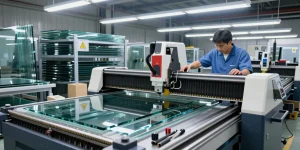
Elevating Your Projects: Insights into Design and Engineering
Understanding the Foundations of Design and Engineering
Design and engineering are essential pillars of modern innovation, shaping the way we create products, structures, and solutions that meet the needs of society. By intertwining functional and aesthetic elements, the realms of design and engineering offer unique approaches to problem-solving and project execution. This exploration delves into the principles, domains, challenges, and future trends that characterize this fascinating field.
The Essence of Design and Engineering
At its core, design and engineering represent a combination of creativity and technical know-how. Design focuses on visualizing ideas, establishing aesthetic values, and providing a user-centered approach, while engineering emphasizes functionality, feasibility, and practical considerations. This symbiotic relationship is crucial, as successful projects demand both innovative designs and rigorous engineering standards.
Key Principles in Design and Engineering
The field of design and engineering rests on several foundational principles:
- Functionality: Designing products that perform their intended tasks efficiently.
- Aesthetics: Ensuring that products are visually appealing to users.
- User-Centricity: Placing the end-user at the forefront of the design process.
- Sustainability: Prioritizing eco-friendly practices and sustainable materials.
- Compliance: Adhering to industry regulations and standards.
Importance of Collaboration in Today’s Market
In today’s fast-paced environment, collaboration between designers and engineers is more crucial than ever. Integrating diverse skills ensures that products not only look good but function effectively. Cross-disciplinary collaboration also fosters creativity, leading to innovative solutions that address complex challenges.
Exploring Different Domains in Design and Engineering
The applications of design and engineering span various fields, each with its own nuances and demands. Understanding these domains helps practitioners to navigate the complexities involved effectively.
Architectural Design and Engineering
Architectural design combines creativity with structural engineering to create buildings that are not only functional but also aesthetically pleasing. Key factors include consideration of site conditions, environmental impact, and user experience. Integrating advanced technology, such as Building Information Modeling (BIM), further enhances collaboration between architects and engineers, improving project outcomes.
Mechanical and Electrical Engineering Principles
Mechanical and electrical engineering encompasses the design of systems and products ranging from machinery to electronics. Mechanical engineers focus on the physical aspects, such as dynamics and thermodynamics, while electrical engineers deal with circuits, control systems, and signal processing. The integration of these two fields facilitates the development of complex systems, such as HVAC or robotic systems, that require both mechanical and electrical considerations.
Software Design Engineering Fundamentals
The software sector relies on distinct methodologies and principles, including agile and user-centered design. Software design engineers must prioritize flexibility and adaptability, as updates and changes are common in the development process. Leveraging tools like version control systems and collaborative platforms enhances team cohesion and project efficiency.
Challenges in Design and Engineering Projects
Despite the advancements in technology and methodologies, various challenges persist in the fields of design and engineering.
Identifying Common Hurdles
Some prevalent challenges include:
- Scope Creep: Changes and additions to project scope can derail timelines and budgets.
- Communication Issues: Miscommunication between team members can lead to discrepancies in design and execution.
- Time Constraints: Tight deadlines can compromise quality and thoroughness.
- Compliance and Safety Regulations: Adherence to standards is crucial, and navigating these can be complex.
Effective Problem-Solving Strategies
Implementing rigorous project management techniques, such as clear documentation and regular checkpoint meetings, fosters effective problem-solving capabilities. Additionally, adopting a proactive approach to conflict resolution and encouraging open dialogue helps mitigate the impact of unforeseen issues.
Implementing Agile Methodologies
The application of agile methodologies enables teams to remain flexible and responsive to changes. By focusing on iterative development and prioritizing customer feedback, teams can continuously adapt their designs and engineering processes, ultimately leading to higher-quality outcomes.
Best Practices for Successful Design and Engineering
Success in design and engineering can often be attributed to adopting established best practices that enhance project outcomes.
Integrating User-Centric Design Approaches
User-centric design is vital in ensuring that end-products resonate with users. Employing techniques like user research, prototyping, and usability testing can refine design concepts and lead to higher satisfaction rates among target audiences.
Incorporating Technology and Innovation
The integration of cutting-edge technology, such as Artificial Intelligence (AI) and machine learning, opens new avenues for innovation in design and engineering. These technologies can streamline processes, improve accuracy, and allow for more sophisticated analyses of user interactions.
Measuring Success in Design and Engineering
Defining success metrics is crucial for evaluating project outcomes. Common performance indicators include project timelines, cost efficiency, user satisfaction ratings, and adherence to compliance standards. Regular reviews of these metrics provide insights that can guide future projects.
Future Trends in Design and Engineering
As design and engineering continue to evolve, several trends are emerging that will shape the landscape of this dynamic field.
Emerging Technologies and Their Impact
Innovations such as virtual reality (VR), augmented reality (AR), and advanced materials are drastically changing design methodologies. These technologies facilitate immersive design experiences and enhance visualization, leading to more informed design decisions.
Green Design and Sustainable Engineering Practices
With growing environmental concerns, sustainable practices in design and engineering have become increasingly important. Utilizing renewable materials, energy-efficient processes, and considering the lifecycle impact of products can help lessen the ecological footprint of projects.
The Role of Artificial Intelligence in Design
AI is revolutionizing the design process by enhancing decision-making and optimizing performance outcomes. From predictive modeling to automated testing and iterations, AI technologies can significantly reduce development time and costs while improving design quality.
FAQs
What is design and engineering?
Design and engineering is the combined approach to creating functional and aesthetically pleasing solutions using various engineering principles and design techniques.
What do design engineers do?
Design engineers research, develop, and test designs for various projects, ranging from products to structures, while also improving existing designs for efficiency.
How important is collaboration in design and engineering?
Collaboration is crucial in design and engineering as it fosters innovation, integrates diverse expertise, and enhances problem-solving capabilities across teams.
What are the common challenges in design and engineering?
Common challenges include scope creep, communication issues, time constraints, and ensuring adherence to regulations and safety standards throughout the project lifecycle.
What are key trends in design and engineering?
Key trends include a focus on sustainable practices, digital transformation through technology, and the incorporation of user-centered design methodologies for innovative solutions.