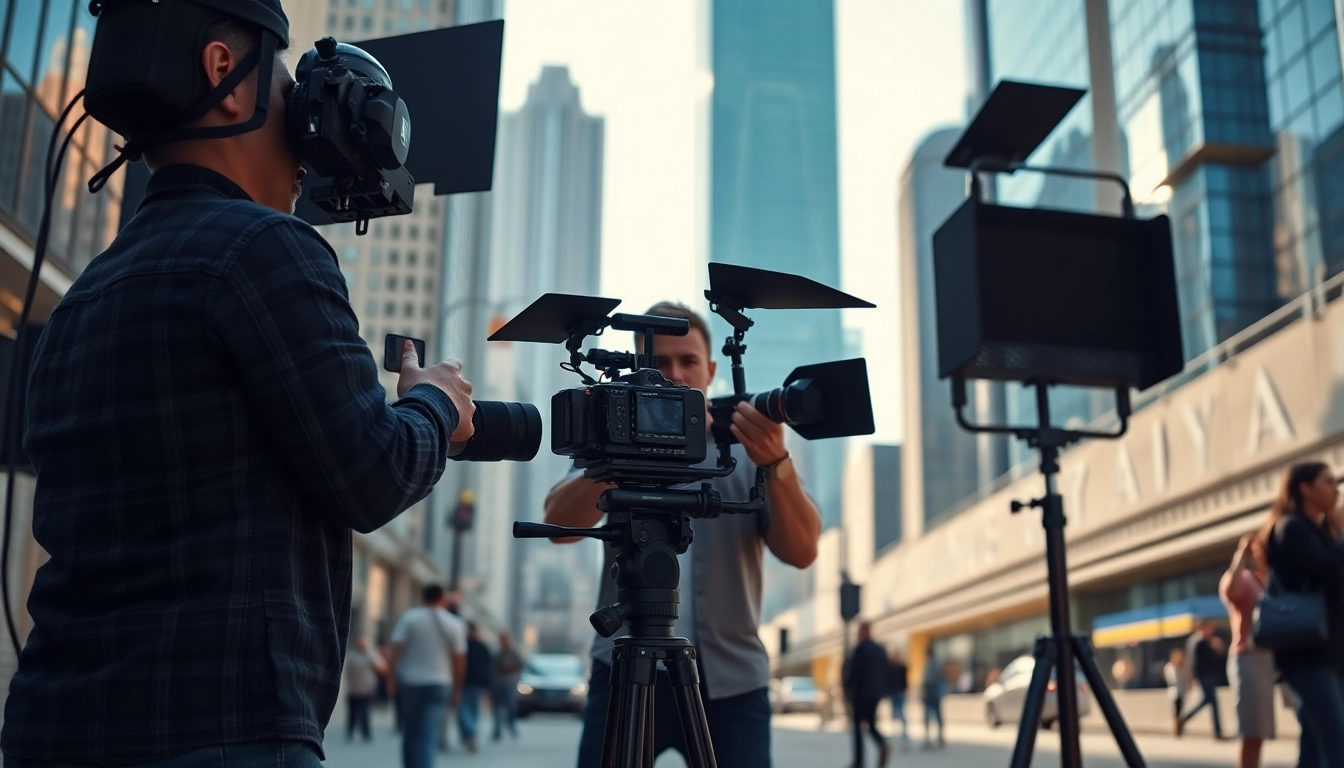
Understanding the Basics of Commercial Videography
Definition and Key Concepts
Commercial videography refers to the creation of video content designed to promote a business, brand, product, or service. This form of visual storytelling is vital in crafting compelling narratives that engage audiences and draw them into the brand's world. Unlike other forms of videography, commercial videography focuses specifically on marketing and sales objectives, making it a powerful tool for businesses looking to enhance their presence in the market. By leveraging cinematic techniques, effective messaging, and strategic planning, videographers can create content that not only entertains but also drives conversions.
Importance in Modern Business
As digital platforms have proliferated, the importance of video content in modern business has skyrocketed. Studies have shown that consumers are more likely to engage with video content than any other format, leading to higher conversion rates for businesses utilizing commercial videography. From product demonstrations to corporate storytelling, the applications are diverse. Video can help build brand trust and showcase products in a way that static images cannot, making it essential for businesses aiming to stand out in a competitive landscape.
Types of Commercial Videography
Commercial videography encompasses various types of videos tailored to meet specific business goals. The most prevalent types include:
- Brand Videos: These focus on encapsulating the essence of a brand, outlining its mission, values, and offerings in a compelling narrative.
- Product Videos: These showcase specific products, highlighting features, benefits, and potential use cases to encourage consumer interest.
- Testimonial Videos: These capture customer experiences and positive reviews, adding authenticity and building trust among prospective clients.
- Corporate Videos: These provide insights into an organization's culture, achievements, and HR strategies, often used for recruitment and internal communications.
- Social Media Clips: Short-form content designed for social media platforms that engage followers quickly and effectively.
Essential Equipment and Techniques
Camera Gear and Accessories
The foundation of any successful commercial videography project lies in the equipment used. High-quality camera gear can significantly influence the outcome of a video project. Key equipment includes:
- Cameras: DSLRs and mirrorless cameras offer versatility in videography, with high-resolution capabilities and interchangeable lenses.
- Stabilizers: Gimbals and tripods ensure smooth camera movements, critical in maintaining a professional look.
- Microphones: Quality audio equipment, such as lavalier and shotgun microphones, captures clear sound, which is equally as important as visual quality.
- Lighting Equipment: Softboxes, LED panels, and portable lights help create the right ambiance and ensure subjects are well lit.
Lighting Techniques for Professional Quality
Effective lighting can transform a project, enhancing moods and emphasizing details. Techniques such as three-point lighting—using a key light, fill light, and backlight—create depth and dimension in videos. For example, using a harsh light directly on a subject’s face will yield strong shadows, whereas soft lighting may provide a more flattering and professional look. Additionally, understanding how natural light works can aid in creating attractive scenes, especially when shooting outdoors or in window-lit environments.
Sound Design in Commercial Videography
Sound is often an overlooked aspect of videography that can make or break a project. High-quality audio complements visuals and keeps viewers engaged. This involves not just narration, but also sound effects and background music. Using a dedicated audio interface can help in capturing and mixing sound effectively. Adobe Audition and Audacity are popular choices for sound editing that can significantly elevate video quality. Establishing clear and professional audio will ensure that your audience remains immersed in the story being presented.
Planning Your Videography Project
Defining Objectives and Target Audience
Before even touching a camera, it’s crucial to establish clear objectives for what the video should achieve. Are you raising brand awareness, boosting product sales, or promoting a specific event? Knowing your goals helps in tailoring your content appropriately. Simultaneously, understanding your target audience—who they are, what they care about, and how they consume video content—will shape every aspect of your project, from tone to distribution.
Scripting and Storyboarding Essentials
A well-crafted script and storyboard serve as blueprints for your video project, ensuring a structured and coherent final product. The script should include key dialogue, voiceovers, and notes on what visuals should accompany each section. Storyboarding, on the other hand, breaks down the script into segments visually, allowing you to plan camera angles, shot types, and transitions. This preparation prevents costly mistakes during filming and ensures a smoother shoot.
Budgeting for Your Commercial Videography
Budgeting is a critical part of the planning process. Factors such as equipment costs, location fees, crew wages, and post-production expenses need to be considered. Craft a detailed budget that allocates funds to each phase of production to prevent overspending. It can also be beneficial to secure a contingency fund to cover unexpected costs that may arise during filming or editing.
Execution: Shooting and Editing Process
Tips for Effective Filming
As you transition from planning to execution, some best practices can help ensure a successful shoot. First, create a shot list derived from your storyboard to stay organized. Ensuring all team members understand their roles and responsibilities will enhance efficiency. Additionally, shooting in a controlled environment where you can manage lighting and sound effectively will heighten video quality. Remember to capture multiple takes of each scene to have options during editing.
Post-Production Best Practices
Post-production is where the magic happens. It involves editing footage, applying color correction, and integrating audio, which collectively shapes the final product. Use reliable video editing software to piece together the footage seamlessly, adding transitions, effects, and edits to maintain the continuity of your narrative. Consider hiring a skilled editor if budget permits, as a fresh pair of eyes can bring new insights to your project.
Integrating Branding into the Final Product
Brand integration requires a thoughtful approach to ensure that the video resonates with your audience while effectively showcasing the company’s identity. Incorporate elements such as logos, brand colors, and taglines subtly throughout the video, maintaining authenticity. Additionally, the tone and style of the video should align with the overall brand messaging. Consistency across different platforms and content types will establish a cohesive brand image that audiences recognize and trust.
Measuring Success and ROI
Key Performance Indicators for Commercial Videos
After releasing your video, it’s essential to measure its impact through key performance indicators (KPIs), such as view count, engagement rates (likes, shares, comments), and conversion rates. Tools like Google Analytics and social media insights can help track these metrics and gauge audience response, informing future content strategies.
Collecting Feedback from Viewers
Feedback collection can come in many forms, whether through direct customer surveys, comments on social media, or performance analytics. Engaging your audience through interactive elements in your video can also provide valuable insights about their preferences and perceptions. This data will inform not only the effectiveness of the current video but also future content endeavors.
Adjusting Strategy Based on Analytics
Analyzing the collected data will reveal trends and highlight areas for improvement. For example, if a certain topic generates higher engagement, consider producing more content around it. Flexibility in your content strategy allows for adaptation based on viewer preferences and behaviors, ultimately leading to more effective commercial videography that meets organizational goals.