Introduction to Structural Steel Construction
Structural steel construction has reshaped the landscape of modern architecture and engineering, offering unprecedented strength, durability, and versatility. As a carbon-based metal, structural steel is widely utilized in constructing various structures ranging from residential buildings to commercial skyscrapers and industrial facilities. The efficacy of structural steel construction lies not only in its robust properties but also in its ability to adapt to diverse applications and methods.
What is Structural Steel?
Structural steel refers to steel sections and shapes that are specifically designed for use in construction. This material is crafted from myriad alloys, primarily carbon steel, which provides an effective balance between strength and affordability. To qualify as structural steel, it must conform to rigorous standards established by ASTM (American Society for Testing and Materials) and other regulatory bodies. The typical carbon content in structural steel ranges from 0.05% to 0.25%, giving it the necessary strength for load-bearing applications.
History and Evolution of Structural Steel
The genesis of structural steel dates back to the industrial revolution, where it began to replace more traditional materials like wood and stone. As engineering technologies evolved, so too did the complexity and scale of structures that could be built. By the late 19th century, innovations such as the Bessemer process allowed for mass production of high-quality steel, propelling projects like the Eiffel Tower and the Brooklyn Bridge. Today, advances in metallurgy and fabrication techniques continue to improve the properties and applications of structural steel.
Importance in Modern Construction
In contemporary building practices, the importance of structural steel cannot be overstated. Its high strength-to-weight ratio allows for lighter frameworks, reducing the overall material costs and foundation loads. Structural steel is also fire-resistant and impermeable to pests, making it a sustainable and safe choice for construction.
Types of Structural Steel and Their Applications
Common Structural Steel Grades
Common grades of structural steel include A36, A992, and A572. Each standard has been formulated to cater to different applications. For instance, A36 is widely used for its weldability and machinability, making it suitable for various structural applications. A992, on the other hand, is typically used for beams and columns due to its high strength and superior performance in load-bearing scenarios.
Shapes and Dimensions of Structural Steel
Structural steel comes in various shapes, including beams (I-beams), columns, angles, and channels. The dimensions and shapes utilized in a project will depend heavily on the design requirements and the purpose of the structure. For example, I-beams are preferred for their ability to bear heavy loads, while angles are often used for braces, providing lateral support.
Applications in Various Industries
Structural steel finds application across multiple industries, including construction, automotive, aerospace, and energy. In construction, it is the primary material for high-rise buildings, where its structural properties allow for skyscrapers that define modern skylines. In the automotive industry, structural steel is integral in manufacturing frames and body panels, contributing to vehicle safety and durability.
Methods Used in Structural Steel Construction
Fabrication Techniques Explained
Fabrication is a critical phase in structural steel construction. This process includes cutting, welding, and assembling steel components to create sections that will later form the building's skeleton. Advanced fabrication techniques, such as computer numerical control (CNC) machining, minimize waste and enhance precision, resulting in better quality control and faster turnaround times.
Erection Methods and Best Practices
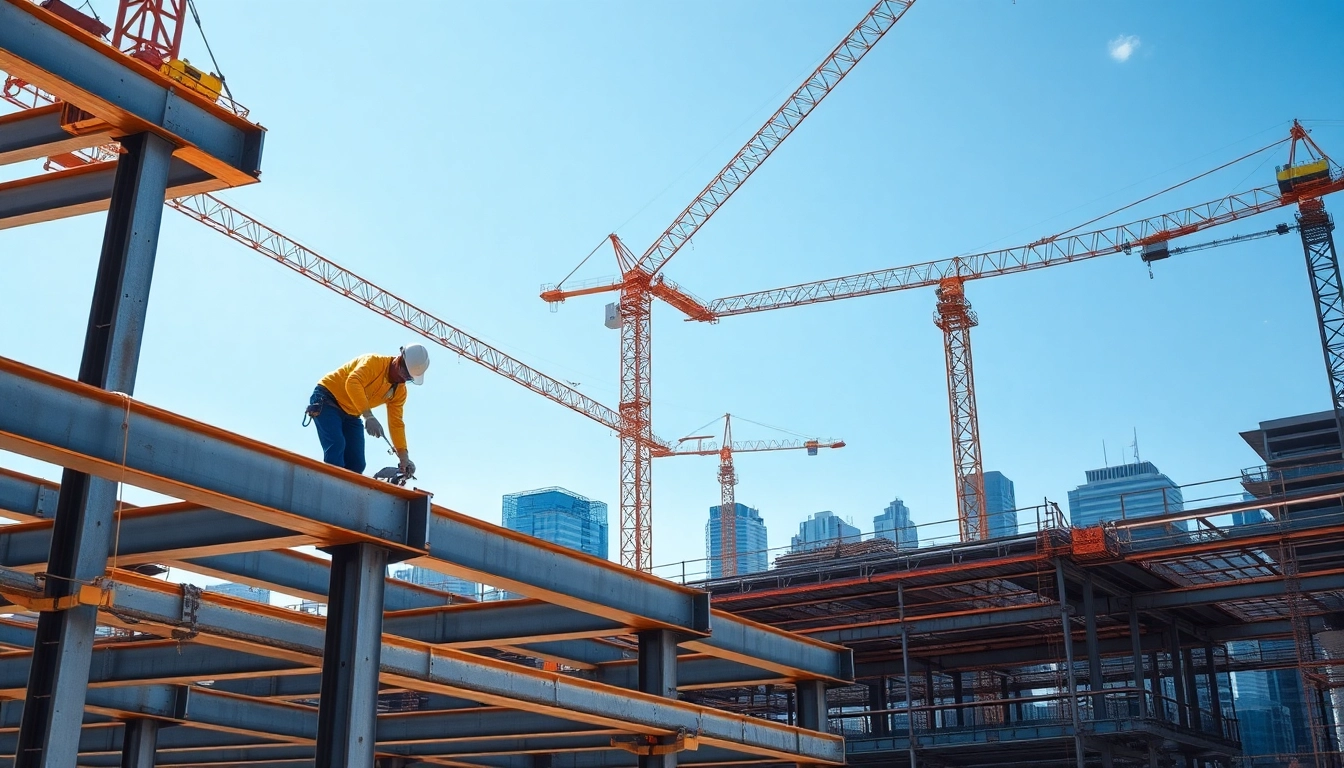
The erection of structural steel involves various methods tailored to the project’s specifics. Typical practices include the use of cranes for lifting steel beams into place and skilled labor ensuring proper connections. Safety is paramount during this stage, making adherence to best practices such as ensuring proper load distributions and securing connections with bolts or welding essential for structural integrity.
Connection Methods for Structural Steel
Connections are crucial for ensuring the stability of structural steel frameworks. Common techniques include bolted connections, welded joints, and riveted connections. Each method has its advantages; for example, bolted connections are generally easier to install and can be done offsite, whereas welded joints provide greater structural strength and continuity. The choice of connection will depend on the design requirements and environmental considerations of the structure.
Benefits of Structural Steel Construction
Cost-Effectiveness and Durability
One of the primary benefits of structural steel is its cost-effectiveness. Although the initial investment may be higher than some alternatives, the longevity and low maintenance costs contribute to overall savings. Structures made from steel can endure extreme weather conditions without degrading, substantially extending their lifespan.
Environmental Benefits of Using Steel
Steel is one of the most recycled materials in the world, with a high recycling rate. Utilizing recycled steel in construction significantly reduces will help lessen the environmental impact. Furthermore, steel production has become more energy-efficient, contributing to a decrease in greenhouse gas emissions associated with its use.
Speed of Construction and Flexibility
Structural steel allows for rapid construction, as pre-fabricated components can be quickly assembled on-site, significantly reducing construction time. Additionally, its flexibility enables architects and engineers to create innovative designs and adapt to changing project needs without compromising structural integrity.
Challenges and Future Trends in Structural Steel Construction
Addressing Common Challenges
Despite numerous advantages, structural steel construction also presents challenges such as susceptibility to corrosion and the necessity for skilled labor for fabrication and erection. Proper treatment and protective measures can mitigate these issues, ensuring that structural integrity is maintained over time.
Technological Innovations in Steel Construction
The future of structural steel is being shaped by technological advancements. Innovations like 3D printing and modular construction are gaining traction, enabling even more efficient fabrication processes. Additionally, building information modeling (BIM) is revolutionizing how projects are planned and executed, leading to greater accuracy and resource management during construction.
The Future of Sustainable Steel in Construction
Sustainability is an increasingly significant aspect of construction. The push for greener practices has made way for sustainable steel production, emphasizing reduced emissions and energy consumption. The development of new composite materials containing recycled steel is another trend that signals a promising future for sustainable structural steel construction.
Frequently Asked Questions
What is structural steel construction?
Structural steel construction involves using steel sections and shapes for building frameworks that support structural loads, primarily governed by industry standards from ASTM International.
How long does structural steel last?
With appropriate maintenance, structures built with steel can last between 50 to 100 years, greatly reliant on environmental conditions and proactive care.
What is the difference between structural steel and regular steel?
Structural steel is optimized for load-bearing applications, such as beams and columns, while regular steel is often used for non-load-bearing structures or decorative elements.
What does a structural steel worker do?
A structural steel worker uses tools like shears and welding equipment to manipulate steel frameworks, ensuring proper alignment and connections for structural integrity.
What are the advantages of using structural steel?
The advantages include high durability, fire and pest resistance, a favorable strength-to-weight ratio, environmental sustainability, and the ability to enable rapid and flexible construction.