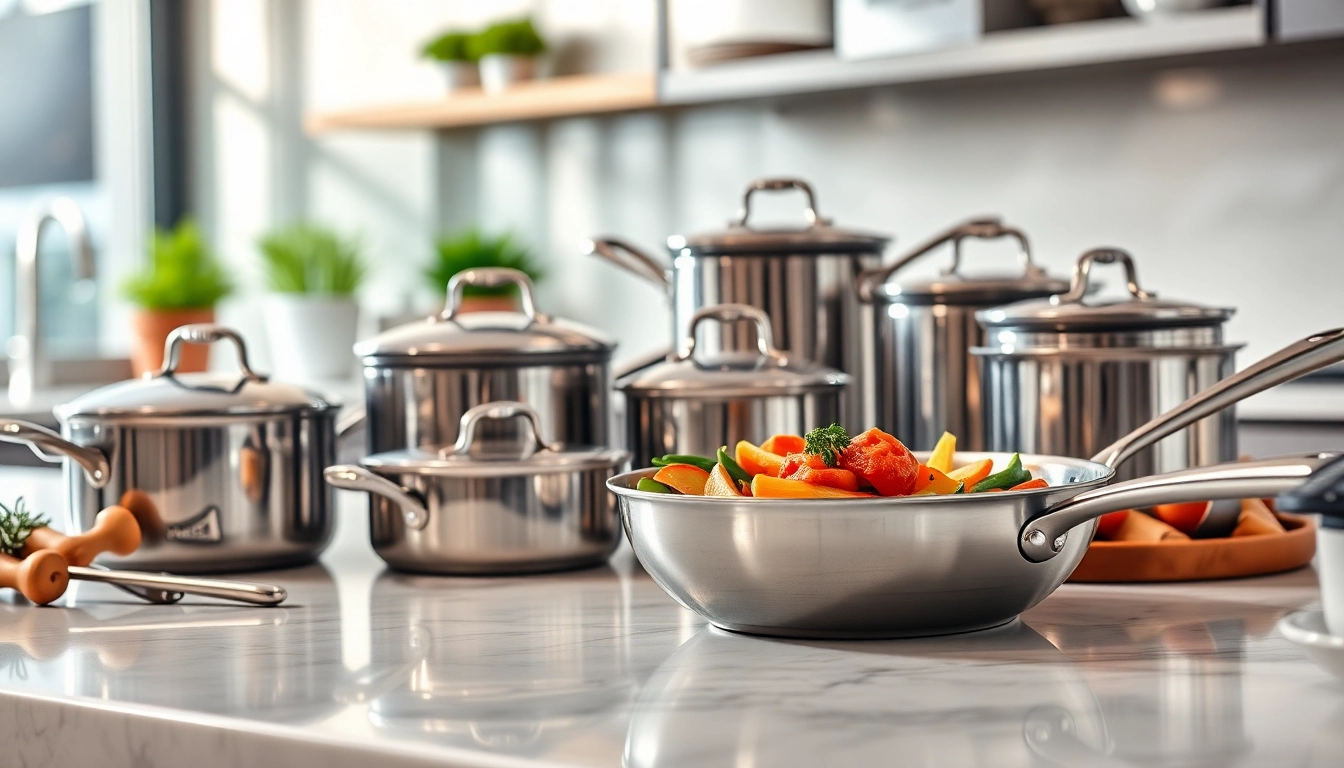
What is Stainless Steel Cookware NZ?
Understanding Stainless Steel Cookware
Stainless steel cookware is a mainstay in kitchens around the world, known for its durability and resistance to rust and stains. Unlike other materials, stainless steel is non-reactive, meaning it won’t interact with acidic or alkaline foods, making it a safe and versatile choice for various cooking methods. This type of cookware typically consists of a blend of iron, carbon, and at least 10.5% chromium, providing exceptional strength and a shiny finish.
Components of Stainless Steel
The quality of stainless steel cookware largely depends on its composition. Most high-quality stainless steel is categorized by its gauge and alloy composition, with types 18/10 and 18/8 being the most common. Here, the numbers represent the percentages of chromium and nickel, respectively. The higher the nickel content, the more resistant the material is to corrosion and the better it can maintain its appearance over time.
Benefits of Using Stainless Steel
One of the most significant benefits of using stainless steel cookware is its ability to withstand high temperatures without warping. This makes it an excellent choice for searing meats or sautéing vegetables. Furthermore, it is dishwasher safe and non-reactive, so it can be used with a variety of foods without fear of tainting flavors. For those seeking stainless steel cookware NZ, local options are abundant and can suit various culinary needs.
Why Choose Stainless Steel Cookware NZ?
Durability and Longevity
Stainless steel cookware is built to last. Its resistance to rust and corrosion means that, with proper care, it can last a lifetime. Unlike non-stick coatings that may peel or chip, stainless steel maintains its integrity even after repeated use. Many chefs and home cooks alike invest in high-quality stainless steel sets because they know these products provide excellent value over time.
Versatility in Cooking
One of the remarkable features of stainless steel cookware is its versatility. It is suitable for various cooking methods, including sautéing, boiling, stewing, and even baking (if oven-safe). The ability to use stainless steel on different stovetops, including induction, enhances convenience for cooks. Many pieces also come with features like ergonomic handles and tempered glass lids, making them functional in the kitchen.
Health and Safety Considerations
Stainless steel cookware is a healthier option compared to non-stick alternatives that can leach chemicals into food at high temperatures. Its non-reactive nature ensures that no flavors are imparted to the food, maintaining the integrity of the meal. Additionally, stainless steel is easy to clean and doesn't harbor bacteria, making it a hygienic choice for food preparation.
Choosing the Right Stainless Steel Cookware NZ
Size and Shape Options
When choosing stainless steel cookware, consider the size and shape that will best suit your cooking style. From small frying pans ideal for quick tasks to large stockpots for boiling pasta or making soups, there are various options available. Specialty shapes like sauté pans and saucepans also offer distinct benefits depending on the dish you plan to create.
Cookware Sets vs. Individual Pieces
Investing in a complete cookware set can be advantageous for those starting anew or replacing old pieces. However, it's crucial to assess whether you’d benefit more from individual pieces based on your cooking habits. Some may find that a high-quality frying pan and large saucepan suffice for their needs, while those who love to cook more complex meals may prefer a full set featuring many different types of cookware.
Price Points and Brands
Stainless steel cookware ranges widely in price, depending on factors like construction, brand, and included accessories. While high-priced options often indicate better quality and durability, there are budget-friendly brands that still offer excellent performance. Always read reviews and do your research to find the best fit for your kitchen needs.
Maintenance Tips for Stainless Steel Cookware NZ
Cleaning Techniques
Cleaning stainless steel cookware is relatively straightforward but does require some attention to detail. For routine cleaning, it’s advisable to let the cookware cool before washing it in warm, soapy water. Use a soft sponge to avoid scratches, and for tougher stains, a paste made of baking soda and water can work wonders.
Preventing Stains and Discoloration
To keep your stainless steel cookware looking its best, avoid soaking it in water for prolonged periods. Additionally, cooking acidic foods may lead to discoloration, so using lower heat and protective cooking techniques can help prevent this issue. If discoloration occurs, a gentle scrub with baking soda can restore its shine.
Storage Solutions
Good storage practices also play a key role in maintaining your cookware. Nesting pots and pans can save space but may lead to scratches if not protected. Using kitchen towels or pot protectors can help avoid this. Additionally, ensuring that your cookware is thoroughly dry before storing it prevents moisture buildup, which can lead to tarnishing.
FAQs about Stainless Steel Cookware NZ
What are common issues with stainless steel cookware?
Common issues include poor heat retention and scratching. However, many of these challenges can be mitigated with proper care, such as using appropriate utensils and heat settings.
Is stainless steel cookware oven-safe?
Yes, most stainless steel cookware is oven-safe, typically up to certain temperatures specified by the manufacturer. Always check the manufacturer's guidelines for the maximum oven temperature recommendation.
Can I use metal utensils with stainless steel cookware?
Absolutely, metal utensils can be used; however, avoid aggressive metal tools that can scratch and damage the cookware surface over time. Opt for wooden or silicone utensils for longevity.
What foods should I avoid cooking in stainless steel?
Avoid cooking highly acidic foods like tomatoes or vinegar in stainless steel, as they can react with the metal. For optimal results, consider using ceramic or glass cookware for cooking such ingredients.
How do I get rid of discoloration on my stainless steel cookware?
To remove discoloration, create a paste of baking soda and water, apply it to the affected area, and gently scrub. Rinse thoroughly to restore your cookware's shine.