Introduction to Structural Steel Installation
In the realm of modern construction, the structural steel installation process stands as a pivotal phase, contributing significantly to the integrity and longevity of buildings. Structural steel, known for its strength and versatility, plays a critical role in various types of constructions. This article aims to provide an in-depth exploration of structural steel installation, its importance, challenges, and best practices, serving as a comprehensive guide for professionals and enthusiasts alike.
What is Structural Steel Installation?
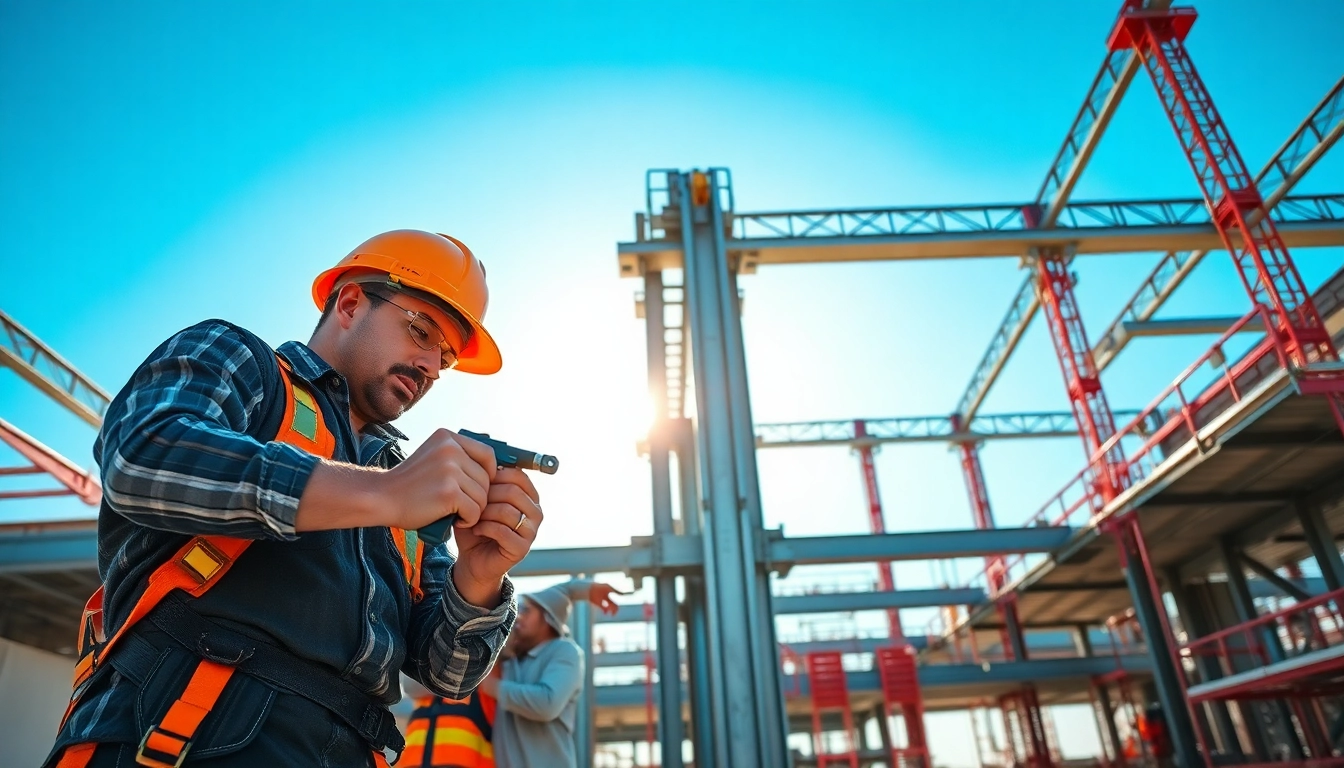
Structural steel installation refers to the process of erecting and assembling steel frameworks that form the skeleton of a building or structure. This involves the precise placement and securing of steel components, such as beams, columns, and girders, to create a stable and strong support system. The installation process is crucial, as it establishes the foundation upon which the entire building rests, enabling it to withstand various forces and elements over its lifespan.
Importance of Structural Steel in Construction
Structural steel is revered for its robust properties, including high tensile strength, flexibility, and resistance to fire and corrosion. Its lightweight nature facilitates easier transportation and installation, making it a preferred material in the construction industry. Moreover, structural steel's inherent design capabilities allow for innovative architectural solutions that enhance aesthetic appeal while maintaining structural integrity.
Common Applications for Structural Steel
Structural steel finds application in a myriad of construction projects, including:
- Commercial buildings such as office towers and retail spaces.
- Industrial facilities, including warehouses and manufacturing plants.
- Infrastructure works like bridges and communication towers.
- Residential buildings, particularly in multi-story constructions.
- Sports facilities and arenas.
Pre-Installation Considerations
Site Preparation and Planning for Structural Steel Installation
Before undertaking structural steel installation, comprehensive site preparation is essential. This includes surveying the land to assess conditions such as soil stability, drainage, and access roads. A well-executed site plan outlines the layout of the steel framework, including dimensions and elevations, ensuring all components fit seamlessly once installed.
Essential Tools and Equipment
The right tools and equipment are imperative for effective structural steel installation. Key items include:
- Cranes: Essential for lifting and positioning heavy steel components accurately.
- Wrenches and Bolting Tools: Required for securing bolts and connections.
- Lasers and Levels: Used to ensure precision in alignment and measurement.
- Safety Gear: Hard hats, gloves, and harnesses to protect workers during installation.
Safety Protocols Before Starting Installation
Prior to commencing any installation work, safety protocols must be rigorously followed. This includes conducting safety briefings to ensure all workers understand their roles and responsibilities. Proper signage should be displayed around the site, and emergency procedures must be established. Regular inspections of equipment and safety gear also help mitigate risks associated with steel installation.
The Structural Steel Installation Process
Step-by-Step Overview of Structural Steel Installation
The structural steel installation process can be delineated into several key steps:
1. Pre-Erection Preparation
This phase involves verifying the accuracy of blueprints and ensuring that all components are fabricated according to specifications. The area must be cleared of any debris and obstacles that might hinder the installation process.
2. Landing the First Steel
The initial component, often a column, is set into place. It is critical to ensure this first piece is plumb and level, as it serves as the reference for subsequent structures.
3. Erection of Columns and Beams
Columns are installed first, followed by beams that span between them. This stage requires accurate positioning and securing to maintain structural integrity.
4. Bracing and Stabilizing
Bracing is vital to prevent horizontal movement during and after the installation process. Diagonal braces are added in strategic locations to enhance stability.
5. Connection and Bolting
Once the framework is erected, connections are made using bolts or welds, depending on the design specifications. Each connection must be assessed for strength and alignment.
6. Final Adjustments and Inspections
The final step involves adjusting components as necessary and conducting thorough inspections to ensure everything meets safety standards and design requirements.
Critical Points: Column and Beam Placement
Success in structural steel installation hinges significantly on the correct placement of columns and beams. Misalignment during this phase can lead to serious structural issues. To avoid this, it is essential to utilize laser alignment tools and follow stringent measuring protocols. Additionally, continuous monitoring throughout the installation will help address any discrepancies swiftly.
Techniques to Ensure Structural Integrity
To uphold the integrity of a steel structure, several techniques can be implemented:
- Use of high-strength bolts that provide superior load-bearing capacity.
- Regular inspections during installation to detect and rectify any faults immediately.
- Utilizing computer-aided design (CAD) programs to simulate loads and stresses on the structure.
Challenges and Solutions in Structural Steel Installation
Common Challenges Faced During Installation
While structural steel installation is a routine task in construction, it is not without its challenges. Some of the most common issues include:
- Weather interruptions that can cause delays and impact worker safety.
- Logistical complications in transporting large steel components to the site.
- Coordination difficulties among various subcontractors and trades.
Effective Solutions and Mitigation Strategies
To counter these challenges, construction teams can employ several strategies:
- Implementing a detailed project timeline that accounts for potential weather disruptions.
- Planning logistics well in advance, including choosing optimal routes for transportation.
- Encouraging open communication among teams to ensure everyone is aligned with the project goals and timelines.
Case Studies and Lessons Learned
Observational case studies reveal valuable lessons in structural steel installation. For instance, a building erected in a coastal area learned the importance of wind-resilient bracing after experiencing shifting during a storm. Implementing stronger bracing solutions not only improved safety but also enhanced the structure's load tolerance in future projects.
Post-Installation Best Practices
Final Inspections and Quality Control Measures
Once the installation is complete, final inspections play a crucial role in assuring the quality and safety of the structure. Inspectors must check for:
- Proper alignment and fit of each steel component.
- Integrity of connections, particularly bolts and welds.
- Compliance with building codes and regulations.
Maintenance and Inspection Guidelines
Post-installation maintenance is vital to the longevity of structural steel. Regular inspections should assess:
- Signs of rust or deterioration, particularly in coastal environments.
- Structural performance under varying load conditions.
- Potential wear on connection points and bracing.
Future Trends in Structural Steel Installation Techniques
The future of structural steel installation is likely to embrace advanced technologies, including:
- Robotics and automation to enhance precision and efficiency.
- Augmented reality (AR) for real-time visual feedback during installation.
- Advanced materials that offer improved strength-to-weight ratios or eco-friendly properties.
As the construction industry continues to evolve, the integration of these technologies may redefine how structural steel installations are approached, ensuring greater safety and performance.