Understanding Structural Steel Installation
What is Structural Steel Installation?
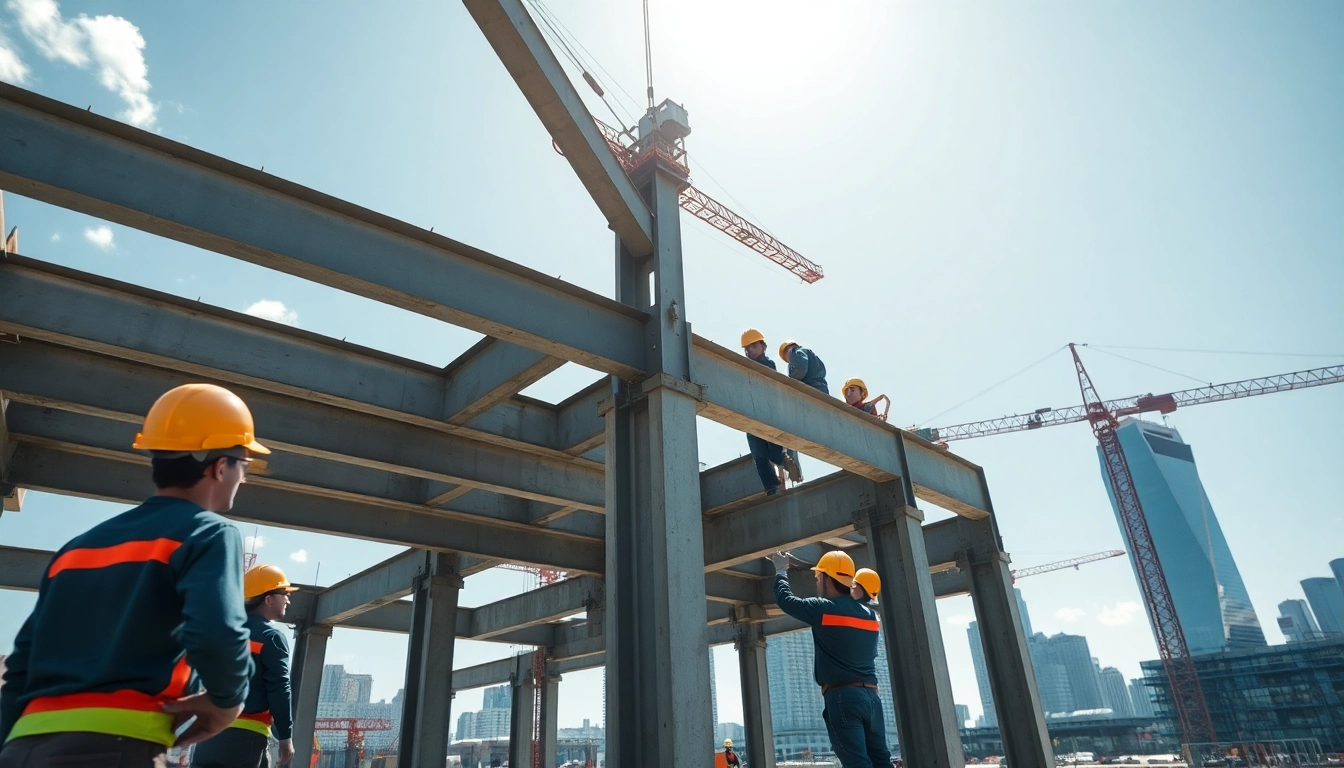
Structural steel installation is a critical phase in construction, encompassing the processes that involve the assembly and erection of steel components and structures. This includes the integration of beams, columns, and plates that are designed to support loads effectively. Unlike traditional wood framing, structural steel provides superior strength and durability, making it an essential choice for buildings, bridges, and various infrastructure projects. A successful structural steel installation not only supports the physical load of the structure but also contributes to the safety and longevity of the finished project.
Key Components of Structural Steel
Understanding the key components of structural steel is vital for successful installation. The main elements include:
- Steel Beams: These horizontal members support vertical loads and are critical in allowing for large open spaces in building design.
- Steel Columns: Vertical members that bear the load from beams, transferring it down to the foundations.
- Steel Plates: Used for connecting beams and columns, these plates are often bolted or welded together to create a stable structure.
- Connection Types: Various connection methods, including welded, bolted, and riveted joints, play significant roles in the overall integrity and effectiveness of a steel structure.
Importance in Construction Projects
The importance of structural steel installation in construction projects cannot be overstated. Structural steel's adaptability, strength, and resilience make it ideal for a wide range of applications, from commercial buildings to bridges. It supports architectural innovation, enabling the design of lighter yet stronger structures, and plays a significant role in construction speed and efficiency. Moreover, its recyclability aligns with modern sustainability practices, further enhancing its value in contemporary construction.
Best Practices for Structural Steel Installation
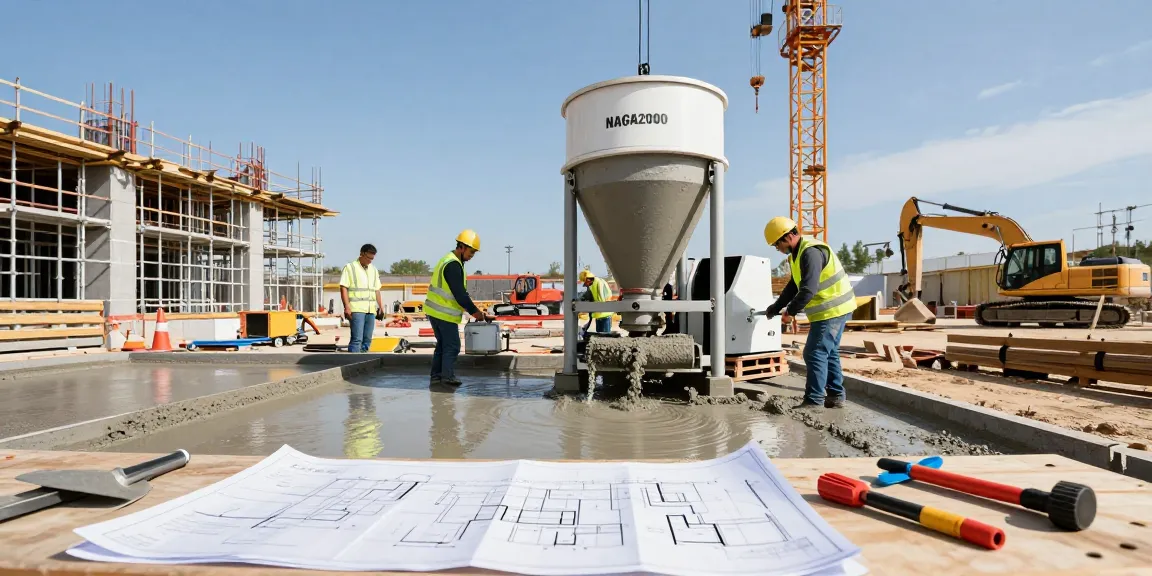
Site Preparation and Planning
Proper site preparation is fundamental for effective structural steel installation. Steps to consider include:
- Site Surveying: Conduct a thorough land survey to understand the topography, soil conditions, and other factors that could affect the installation.
- Site Layout: Ensure a detailed layout plan is developed, indicating the locations of steel components, access paths, and temporary structures.
- Environmental Considerations: Take into account the impact of soil erosion, drainage, and weather conditions to mitigate potential issues.
Choosing the Right Materials
Choosing quality materials is critical for longevity and performance. Factors to consider during the selection process include:
- Steel Grade: Different projects may require various steel grades based on load requirements and environmental conditions.
- Corrosion Resistance: Select steel with protective coatings or treatments, especially for structures exposed to harsh environments.
- Compliance with Standards: Ensure compliance with local and international standards and regulations regarding material selection.
Safety Protocols for Installation
Safety is paramount during structural steel installation. Implementing safety protocols helps to protect workers and minimize risks. Key safety measures include:
- Training: Provide comprehensive training for all personnel involved in the installation process, focusing on equipment operation, fall protection, and hazard recognition.
- Protective Gear: Ensure workers wear appropriate personal protective equipment (PPE), including helmets, gloves, and harnesses.
- Regular Inspections: Conduct regular safety inspections to identify and address potential hazards before they lead to accidents.
Common Challenges in Structural Steel Installation
Identifying Potential Issues
Every construction project faces challenges during structural steel installation. Recognizing potential issues early can save time and resources. Common challenges include:
- Misalignment: Incorrect positioning of steel components can lead to structural integrity issues.
- Weather Conditions: Adverse weather can hinder installation processes and affect material quality.
- Supply Chain Delays: Delays in material delivery can disrupt project timelines and create workflow bottlenecks.
Mitigation Strategies
To effectively address the challenges identified, various mitigation strategies can be employed:
- Pre-installation Surveys: Conduct thorough pre-installation checks to identify and correct alignment issues.
- Scheduling Flexibility: Plan for weather-related delays and adjust project timelines as necessary.
- Diverse Supplier Options: Establish relationships with multiple suppliers to avoid delays in securing materials.
Case Studies of Installation Failures
Examining past installation failures highlights critical lessons learned. For example, the collapse of a structural steel framework in a high-rise building can often be attributed to poor planning and oversight in the installation process. Such mistakes reinforce the need for robust planning, thorough inspections, and continuous quality checks throughout the installation phase.
Advanced Techniques for Structural Steel Installation
Modern Tools and Technologies
In recent years, advancements in technology have significantly improved the efficiency and precision of structural steel installation. Notable tools and technologies include:
- 3D Modeling Software: These applications allow for precise visualization of the structural framework, facilitating better planning and coordination among project teams.
- Drone Technology: Drones can be utilized for real-time monitoring of installation progress, capturing data that enhances site safety and operational efficiency.
- Robotic Automation: Emerging robotic technologies can assist in tasks like welding and assembly, reducing manual labor and increasing accuracy.
Innovative Installation Methods
Innovative methods have emerged to address traditional challenges in structural steel installation:
- Modular Construction: This approach involves prefabricating sections of steel structures off-site, which can then be assembled on-site, significantly reducing construction time.
- Accelerated Bridge Construction (ABC): Techniques such as ABC aim to minimize disruption by utilizing rapid construction methods that ensure swift installation of bridge components.
- Smart Sensors: Incorporating sensors within steel components to monitor stresses and strains can lead to proactive maintenance and enhanced structural performance.
Integrating Sustainability Practices
As sustainability becomes a crucial consideration in modern construction, integrating eco-friendly practices into structural steel installation is essential. Key aspects include:
- Recycling and Reusing Materials: Structural steel is highly recyclable, and utilizing reclaimed steel within new projects reduces waste and conserves resources.
- Energy-Efficient Processes: Implementing energy-efficient machinery and practices during installation decreases the overall carbon footprint of the construction project.
- Green Certifications: Pursuing green building certifications for projects encourages the use of sustainable practices and materials, enhancing the project’s marketability.
Measuring Success in Structural Steel Installation
Performance Metrics and KPIs
To effectively measure the success of structural steel installations, contractors and project managers should establish clear performance metrics and key performance indicators (KPIs). Some critical metrics include:
- Installation Time: This measures how long it takes to complete the installation, with the goal of reducing time without compromising quality.
- Budget Adherence: Tracking costs against budget projections to ensure financial efficiency in the installation process.
- Quality Audits: Regularly conducting audits to verify that the installation aligns with safety and quality standards throughout the project timeline.
Post-Installation Quality Checks
Once installation is complete, thorough quality checks are essential to verify structural integrity and safety. Important post-installation checks include:
- Visual Inspections: Conducting detailed inspections of connections, welds, and bolts to identify any visible defects.
- Load Testing: Performing load tests to ensure that the steel structure can support intended loads without issues.
- Documentation Review: Ensuring all documentation, including fabrication and inspection records, is accurate and complete for future reference.
Long-term Maintenance Considerations
After installation and quality checks, long-term maintenance becomes critical in ensuring the structural steel remains sound. Strategies for effective maintenance include:
- Regular Inspections: Establish a routine inspection schedule to catch potential issues early.
- Preventative Maintenance: Implement ongoing maintenance practices, such as painting or protective coating applications, to prevent corrosion.
- Documentation Systems: Maintain an up-to-date log of all maintenance activities to track the structure's health over time.