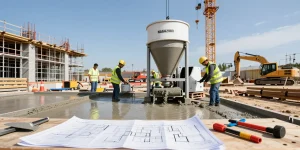
Key Techniques and Benefits of Structural Steel Welding in Construction
Understanding Structural Steel Welding
Structural steel welding is a critical component in the construction and metal manufacturing industries, representing a vital technique for joining structural components that provide strength and durability to buildings, bridges, and other infrastructures. As the need for robust structures continues to grow, understanding the principles, methods, and applications of structural steel welding becomes increasingly important for engineers, architects, and construction professionals alike. This article delves into the myriad aspects of structural steel welding, covering its definition, importance, common methods, and applications within the construction realm.
Definition and Importance
Structural steel welding refers to the process of joining steel structures such as beams, columns, and plates through various welding techniques. This process is essential because it allows for the creation of strong, rigid connections that are foundational for the integrity of structures. In addition, welded joints can often bear the weight and stress of large loads, making them indispensable in high-rise buildings and bridges.
Common Methods and Techniques
Several welding techniques are commonly employed in structural steel welding, including:
- MIG (Metal Inert Gas) Welding: A widely used method that utilizes a continuous wire feed and an inert gas shield to create high-quality welds.
- TIG (Tungsten Inert Gas) Welding: Preferred for its precision, TIG welding uses a non-consumable tungsten electrode and offers excellent control over the welding process.
- Stick Welding (SMAW): This traditional method involves using a consumable electrode, providing versatility for various positions and materials.
- Flux-Cored Arc Welding (FCAW): Similar to MIG welding but uses a tubular wire filled with flux, making it suitable for outdoor applications where wind may be a factor.
Each method has its benefits and specific use cases, making it crucial for weld engineers and operators to choose the right technique based on project requirements.
Applications in Construction
Structural steel welding has numerous applications in the construction industry. It is utilized in the fabrication of steel frameworks for skyscrapers, bridges, and industrial structures. Additionally, it is essential in creating and reinforcing various components, such as:
- Building Frames: Welded steel structures provide strong foundational support for multi-story buildings.
- Bridges: Welding plays a significant role in the structural integrity of various types of bridges, ensuring they can withstand heavy loads.
- Steel Grating and Railing: Welded steel constructs are often designed for safety and accessibility in buildings.
- Industrial Equipment: Many manufacturing and processing plants utilize welded steel structures, which provide necessary support for machinery.
Popular Structural Steel Welding Techniques
Manual Welding vs. Automatic Welding
Manual welding involves a skilled operator performing the welding work using handheld tools and techniques. This method provides flexibility and is often used in scenarios where precise placement is required. However, it requires significant skill and experience.
On the other hand, automatic welding employs machinery and robotics to conduct the welding process. This method enhances consistency and speed, making it suitable for high-volume projects. The choice between manual and automatic welding largely depends on the project’s scale, budget, and required precision.
Benefits of MIG and TIG Welding
MIG welding is renowned for its speed and ease of use, making it ideal for large-scale projects that require rapid welding. Its efficient use of filler material and reduced cleaning time post-weld also contribute to its popularity.
TIG welding, while slower, is favored for its versatility and precision, especially in challenging applications or materials that need a high level of control during the welding process. Its clean result allows for minimal post-weld finishing, making it suitable for aesthetic components.
Best Practices for Structural Integrity
Ensuring the structural integrity of welded components is paramount for safety and durability. Key best practices include:
- Quality Control: Regularly inspect welds for defects using methods like ultrasonic testing or X-ray inspection.
- Proper Joint Design: Design joints to distribute stress evenly, thus minimizing potential failure points.
- Material Preparation: Ensure surfaces are clean and free from contaminants before welding, which can affect the quality of the joint.
- Follow Industry Standards: Adherence to standards such as AWS D1.1 helps guide weld quality and performance requirements.
Safety Practices in Structural Steel Welding
Essential Safety Gear and Equipment
Welding presents various hazards; thus, safety gear is essential. Workers should wear appropriate Personal Protective Equipment (PPE), including:
- Safety Goggles: Protects eyes from sparks and bright welding rays.
- Welding Masks: Shields the face from UV radiation and flying debris.
- Gloves: Heat-resistant gloves prevent burns.
- Protective Clothing: Flame-resistant fabrics reduce the risk of injury from sparks or heat.
Common Hazards and Preventative Measures
Some prevalent hazards associated with structural steel welding include:
- Electrical Shock: Implement lockout/tagout procedures to prevent accidental energizing during maintenance.
- Fumes and Gases: Use proper ventilation and personal respirators to mitigate exposure to harmful fumes.
- Fire and Explosions: Keep flammable materials away from the welding area and have fire extinguishers readily available.
Regulatory Standards and Compliance
Compliance with industry standards is critical for safety and quality assurance. Organizations such as the American Welding Society (AWS) and Occupational Safety and Health Administration (OSHA) set forth regulations that govern welding practices. Adhering to these standards not only ensures worker safety but also assures clients of the quality and reliability of welded structures.
Career Opportunities in Structural Steel Welding
Job Market and Demand Analysis
The job market for structural steel welding continues to grow, driven by ongoing infrastructure investment and construction demands. An increasing shortage of skilled welders contributes to significant job security within this field, making it an attractive career choice for many.
Career Paths and Growth Potential
A career in structural welding offers various pathways ranging from entry-level welding positions to advanced roles in supervision or specialized welding techniques. Experienced welders can elevate their careers by obtaining certifications from recognized organizations, which often lead to higher salaries and better job positions.
Essential Skills for Aspiring Welders
Prospective welders should focus on developing essential skills that are required for success in the field:
- Technical Skills: Proficiency in various welding techniques and equipment.
- Attention to Detail: Ability to assess and execute precise welds to meet structural standards.
- Problem-Solving: Skills to troubleshoot issues that arise during the welding process.
- Physical Stamina: The ability to work for extended periods, often in challenging conditions.
Future Trends in Structural Steel Welding
Innovative Technologies and Techniques
As technology advances, new welding techniques and automated solutions are emerging. For instance, 3D printing and robotic welding are revolutionizing how structural components are fabricated. The integration of artificial intelligence in monitoring and inspection can significantly enhance weld quality and reduce the occurrence of defects.
Sustainability and Eco-friendly Practices
With a growing emphasis on sustainability, the steel industry is adopting eco-friendly practices. This includes the use of recycled materials in welding processes and the emphasis on minimizing waste.
Industry Challenges and Solutions
The structural steel welding industry faces several challenges, including workforce shortages and fluctuating material costs. Adequate training programs, investment in technology, and a commitment to safety standards provide a robust foundation for addressing these challenges effectively.