Rich Botanical Logwood Dye for Fabric Artists
Introduction
Among the many natural colorants available to textile creators, Logwood dye stands out for its breathtaking depth, versatility, and botanical origin. Fabric artists, eco-conscious designers, and traditional dyers have relied on Logwood dye for centuries to achieve dramatic purples, atmospheric blues, and powerful blacks. Its rich pigments and natural elegance make it an essential tool for anyone exploring botanical color. Whether you’re crafting wearable art or experimenting with creative textile techniques, Logwood dye offers a world of inspiration rooted in nature’s own palette.
The Botanical Magic Behind Logwood Dye
Derived from the heartwood of the Haematoxylum campechianum tree, Logwood dye has a long history in dye traditions around the globe. This remarkable natural dye was once a treasured commodity, celebrated for producing royal purples and deep blacks unmatched by other plant sources. Today, fabric artists continue to value Logwood dye for its botanical purity and artistic potential, making it a timeless favorite in natural dyeing.
Why Fabric Artists Love Logwood Dye
Fabric artists appreciate that Logwood dye offers both intensity and subtlety depending on how it is used. Its pigments respond beautifully to various mordants, allowing dyers to shift the color from cool violets to soft plum or near-black shades. The ability to create bold or muted effects is one reason Logwood dye remains a staple in natural dye studios worldwide.
Preparing Your Fabric for Logwood Dye
For Logwood dye to perform at its best, proper fabric preparation is essential. Natural fibers such as cotton, linen, wool, and silk absorb botanical dyes more effectively when they are clean and properly mordanted. Scouring the fabric removes oils or residues that may interfere with pigment bonding. Once mordanted, fibers are ready to take on the rich hues that Logwood dye is known for.
Best Fabric Types for Logwood Dye
- Wool absorbs Logwood dye deeply, creating intense purples and blacks.
- Silk takes on a soft sheen when dyed with Logwood dye, resulting in luxurious tones.
- Cotton and linen develop cooler, more rustic shades with Logwood dye, perfect for artisanal projects.
Techniques for Working with Logwood Dye
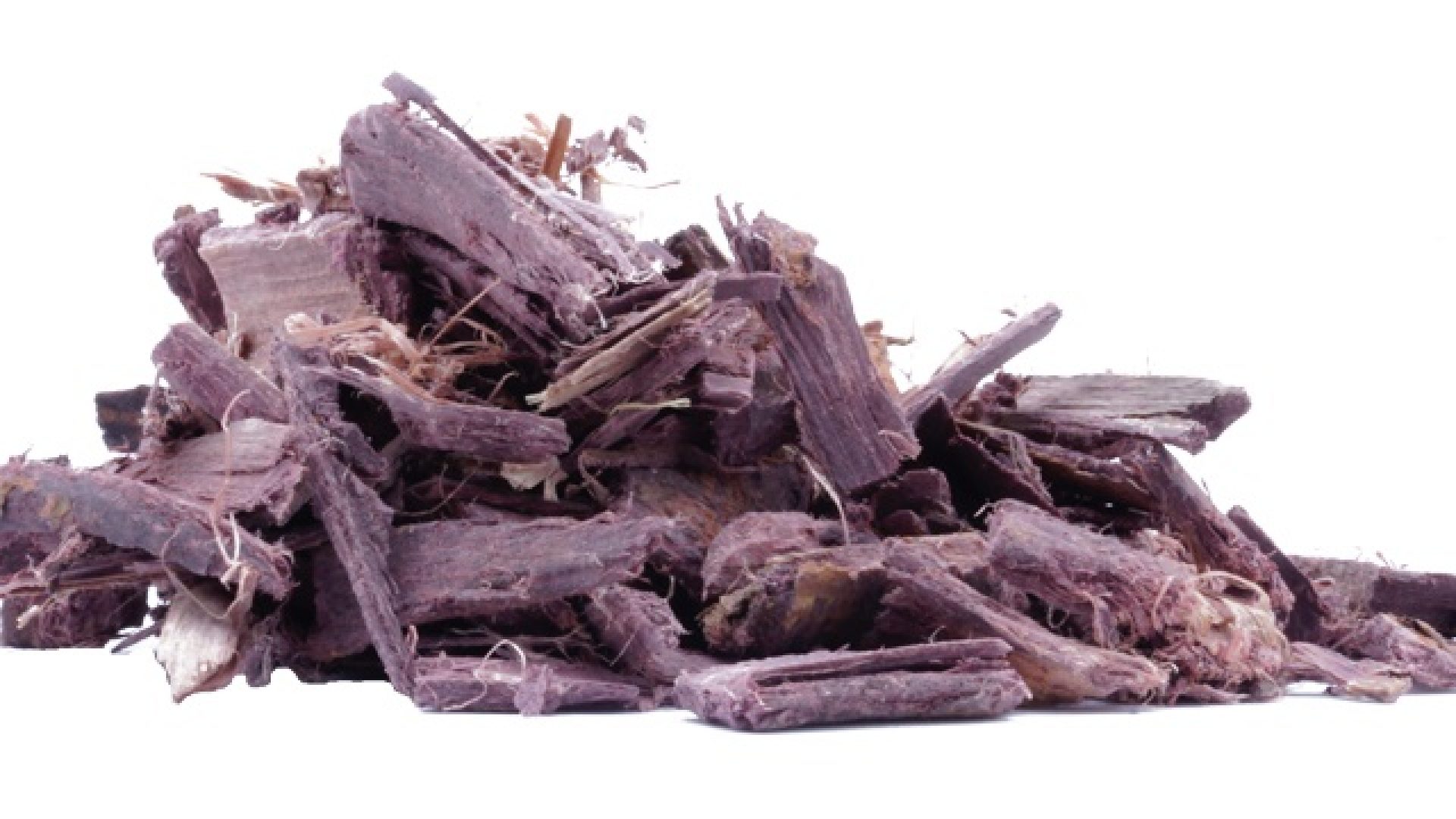
Whether you’re a beginner or an experienced dyer, Logwood dye offers a wide range of creative possibilities. Most artists begin by simmering dye chips or powder to extract a concentrated color bath. Fabrics can be dipped once for lighter tones or soaked for extended periods to achieve deeper hues.
Popular Logwood Dye Methods
Immersion Dyeing:
This classic method allows the fiber to soak fully in a Logwood dye bath, producing even, saturated color.
Layered Dyeing:
Artists looking to create depth often layer multiple Logwood dye baths. Each layer enriches the tone, giving the fabric a multidimensional effect.
Iron Modification:
Using iron as a modifier shifts Logwood dye toward dramatic charcoal or near-black shades. This technique is especially popular among fabric artists seeking bold contrasts.
Exploring Color Variations with Logwood Dye
One of the most exciting aspects of Logwood dye is its ability to transform depending on mordants and modifiers. Alum produces classic purples, while iron darkens the tone significantly. Tin or copper may coax out more complex, moody hues.
Example Color Outcomes
- Soft Violet: Achieved with alum and short soaking.
- Deep Plum: Achieved with extended soaking in a rich Logwood dye bath.
- Blue-Tinted Purple: Achieved with copper modifiers.
- Black: Achieved by combining Logwood dye with iron.
These variations make Logwood dye an ideal botanical colorant for artists who love experimenting with tonal complexity.
Caring for Logwood-Dyed Textiles
Textiles dyed with Logwood dye can remain beautiful for many years when handled correctly. Natural dyes are sensitive to prolonged sunlight and harsh detergents, so gentle washing helps maintain vibrancy. Store dyed textiles away from direct light to preserve the richness of Logwood dye over time.
Care Tips
- Use mild, pH-neutral soap.
- Wash in cool water when possible.
- Air dry in a shaded area.
- Store away from strong sunlight.
Following these steps ensures the longevity of Logwood dye on your fabrics.
Creative Projects Using Logwood Dye
Fabric artists use Logwood dye across a wide range of creative endeavors. Its elegance suits both traditional and contemporary textile art. Whether you’re crafting a hand-dyed scarf, designing fiber art, or creating custom garments, Logwood dye brings a luxurious natural touch.
Popular Uses for Logwood Dye
- Hand-dyed yarns for knitting and weaving
- Silk scarves with unique purple gradients
- Artisan garments with botanical color palettes
- Wall hangings and textile installations
- Quilting fabrics with deep natural tones
- Eco-friendly craft projects requiring bold hues
Artists who love mood, depth, and natural texture find endless inspiration in Logwood dye.
Conclusion
For fabric artists seeking both beauty and botanical authenticity, Logwood dye remains an extraordinary choice. Its rich purples, dramatic blacks, and creative versatility make it a cornerstone of natural dyeing. Whether you’re exploring traditional techniques or modern fabric art, Logwood dye empowers you to craft pieces that honor nature while showcasing your artistic vision. Dive into the world of Logwood dye and discover how this botanical treasure can transform your textile creations.