A Smart Sprinkler Analyst’s Take on Sustainable Gardening in 2026
Understanding the Benefits of Smart Sprinklers
As climate change continues to impact water availability and garden health, homeowners are increasingly turning to innovative solutions like smart sprinkler systems. These advanced irrigation tools not only simplify watering tasks but also play a crucial role in water conservation and garden sustainability. By utilizing technology, smart sprinklers provide precise application that optimizes water use, ensuring that plants receive just the right amount of moisture to thrive.
What is a Smart Sprinkler?
A smart sprinkler is an advanced irrigation system that integrates technology to automate and optimize the watering of gardens and lawns. Unlike traditional sprinklers, which operate on fixed schedules, smart sprinklers utilize data-driven insights to adjust watering cycles based on factors such as weather conditions, soil moisture levels, and plant needs. This makes them an ideal solution for environmentally conscious homeowners looking to maintain healthy gardens while minimizing water waste.
Advantages of Smart Sprinklers for Homeowners
- Water Conservation: Smart sprinklers significantly reduce water usage by applying the right amount at the right time, which helps lower water bills.
- Time Savings: Automation means less hands-on management; once set up, homeowners can forget about manual watering.
- Plant Health: By ensuring optimal moisture levels, smart sprinklers promote healthier growth and reduce the risk of overwatering or underwatering.
- Data Insights: Many systems provide analytics on water usage and plant health, helping users make informed decisions about their garden care.
Environmental Impact of Water Conservation
Water conservation is becoming increasingly essential in today’s climate, where many regions are facing prolonged droughts and water shortages. Smart sprinkler systems contribute to this effort by significantly reducing the overall water usage of households. By integrating soil sensors and weather data, these systems can optimize watering schedules based on real-time conditions, ensuring that water is used efficiently. As more homeowners adopt these technologies, the collective impact on water conservation can be substantial, leading to healthier ecosystems and ensuring the sustainability of local water supplies.
How Smart Sprinklers Enhance Plant Growth
Smart sprinkler systems do not merely fulfill the function of watering; they enhance plant growth through targeted irrigation strategies that adapt to specific plant needs. Leveraging technology, they deliver precise hydration tailored to the unique characteristics of various plant species.
Optimal Watering Techniques with Smart Technology
By employing features such as adjustable watering schedules based on seasonal changes and real-time moisture readings, smart sprinklers enable homeowners to adopt optimal watering techniques. For example, during dry spells, the system can increase watering frequency, while in rainy conditions, it can reduce or suspend irrigation altogether. This adaptability not only conserves water but also promotes vigorous plant growth.
Combining Smart Sprinklers with Soil Sensors
The integration of soil sensors with smart sprinklers represents a significant advancement in irrigation technology. Soil sensors measure moisture content at various depths, providing critical data that informs how much and how often to water. This ensures that plants receive adequate hydration without the risks associated with overwatering, such as root rot and nutrient leaching, ultimately leading to robust plant health.
Case Studies: Successful Smart Sprinkler Implementations
Case studies reveal that homeowners who implemented smart sprinkler systems experienced remarkable improvements in both plant health and water efficiency. For instance, a homeowner with a diverse garden reported that after installing a smart sprinkler system combined with soil sensors, their water usage dropped by 30%, while their garden thrived like never before. This type of data showcases the potential benefits of adopting smart irrigation solutions in the pursuit of sustainable gardening.
Setting Up Your Smart Sprinkler System
Installing a smart sprinkler system may seem daunting, but with the right guidance, it can be a straightforward process that drastically improves your gardening experience. Key steps include assessing your garden’s unique requirements and choosing the right model to meet your needs.
Choosing the Right Smart Sprinkler Model
When selecting a smart sprinkler, consider your specific garden size, types of plants, and existing infrastructure. Some models offer advanced features such as zone control, which allows you to set different watering schedules for various plant types or areas of your garden. Look for models that provide easy integration with home automation systems, enhancing your gardening efficiency even further.
Installation Tips for Efficient Use
Proper installation is crucial for maximizing the benefits of smart sprinklers. Begin by mapping out your garden and identifying areas that require more attention. Position sprinklers strategically to ensure even coverage without overspraying sidewalks or driveways. Follow the manufacturer’s instructions during the installation process, and don’t hesitate to reach out to customer service for support.
Integrating Smart Sprinklers with Home Automation
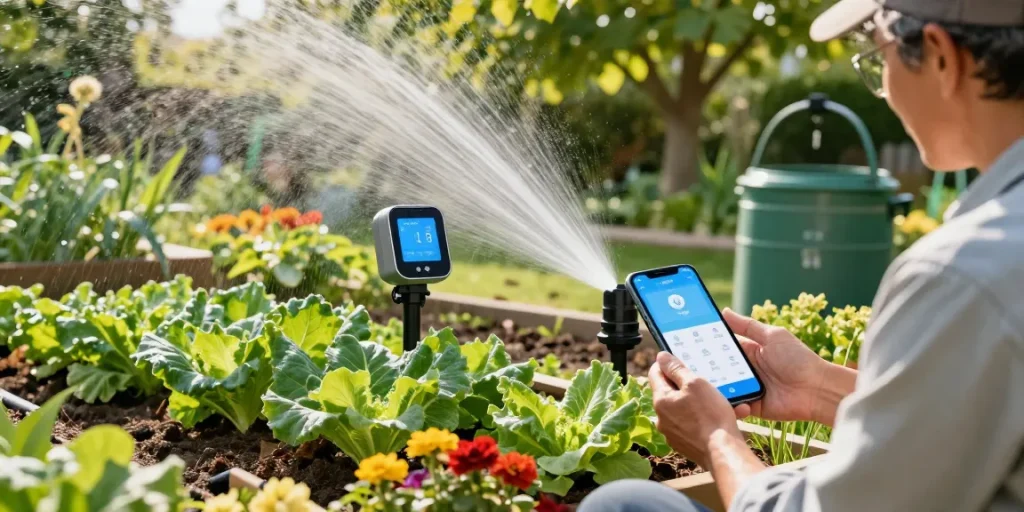
For tech-savvy individuals, integrating smart sprinkler systems into home automation platforms can enhance convenience and functionality. Many systems are compatible with voice-activated devices and smartphone applications, allowing users to control their irrigation systems remotely. This means that whether you are home or away, you can adjust settings, monitor usage, and ensure your garden remains healthy and hydrated.
Common Challenges with Smart Sprinkler Systems
While smart sprinkler systems offer many advantages, users can encounter challenges during implementation and use. Being aware of these issues and knowing how to address them is key to optimizing your investment.
Addressing Connectivity Issues
Many smart sprinkler systems rely on Wi-Fi for connectivity. Therefore, ensuring a stable internet connection is vital for seamless operation. If you experience connectivity problems, consider repositioning your router or investing in range extenders to boost signal strength in your garden area.
Overcoming User Interface Learning Curves
Some users may find the technology behind smart sprinklers complex at first. It’s essential to familiarize yourself with the user interface and available features. Most systems come with comprehensive user guides and online support, which can help you overcome the initial learning curve and fully utilize the system’s capabilities.
Maintenance and Troubleshooting Tips
Regular maintenance is crucial for ensuring the longevity and efficiency of your smart sprinkler system. Schedule periodic checks to clean nozzles and filters, inspect for leaks, and update software as necessary. Familiarize yourself with troubleshooting steps in your user manual to resolve common issues quickly and efficiently.
The Future of Smart Sprinklers in 2026
The advancements in smart sprinkler technology suggest a bright future for gardeners and homeowners alike. As innovations continue to emerge, the capabilities of these systems will only enhance.
Emerging Trends in Smart Irrigation Technologies
Future developments in smart sprinklers are likely to focus on greater integration with IoT (Internet of Things) devices and improved AI algorithms that can predict plant watering needs with even greater accuracy. The ability to leverage machine learning could lead to highly personalized irrigation schedules tailored to individual gardens.
Predicted Advancements in Water Conservation
With the ongoing emphasis on sustainability, smart irrigation technologies are expected to evolve into even more efficient systems that significantly reduce water waste. Automatic adjustments based on real-time weather forecasts and plant health data will become the norm, further supporting homeowners in their conservation efforts.
Conclusion: The Role of Smart Sprinklers in Sustainable Gardening
In conclusion, smart sprinklers play a vital role in promoting sustainable gardening practices. By combining technology with gardening, homeowners can achieve lush, vibrant landscapes while contributing to essential water conservation efforts. As we move toward 2026 and beyond, the potential for these systems to revolutionize how we manage our gardens is evident. Embracing smart sprinkler technology is not just an investment in convenience, but also a commitment to a healthier planet.