
The Importance of Education in Today’s World
In an era where knowledge is power, the role of education cannot be overstated. It serves as a cornerstone of personal and societal development, impacting everything from economic growth to social mobility. Education equips individuals with skills, fosters critical thinking, and promotes personal growth. Furthermore, education helps societies evolve and adapt to the ever-changing global landscape. A comprehensive understanding of Education not only shapes individual lives but fundamentally determines the trajectory of nations.
Understanding the Concept of Education
At its core, education is the systematic process through which knowledge, skills, values, and attitudes are transmitted from one generation to another. This process is not confined to formal education systems; it extends to informal learning experiences which often occur in everyday life. Education serves multiple purposes: it develops cognitive abilities, instills cultural values, nurtures social skills, and prepares individuals to navigate the complexities of life.
Historical Perspectives on Education
The history of education is as old as civilization itself. Ancient societies, such as those in Egypt and Mesopotamia, developed early forms of schooling primarily for the elite. Fast forward to the Middle Ages, and education became more accessible with the establishment of universities in Europe. By the 19th century, formal education systems emerged, focusing on standardized curricula. Today, global education systems vary widely, influenced by culture, economics, and technology, but they all share the same ultimate goal: fostering knowledge and personal development.
The Role of Education in Society
Education plays a critical role in shaping societal norms and values. It is fundamental in developing informed citizens capable of critical thought and decision-making. Furthermore, education is essential for social integration, allowing diverse populations to coexist and collaborate. It also drives economic development by equipping individuals with skills necessary for the job market, thereby reducing poverty and inequality.
Challenges Faced in Modern Education
Access to Quality Education
While the importance of education is universally acknowledged, access to quality education remains a significant challenge. Socioeconomic factors, geographical barriers, and systemic inequality heavily influence educational attainment. In many underprivileged communities, schools are underfunded and lack access to resources, qualified teachers, and advanced technology.
Adapting to Technological Advancements
As technology continues to evolve, education must keep pace. The rapid advancement of digital tools necessitates that educators adapt their teaching methodologies. However, many educational institutions face the dual challenge of implementing new technologies and ensuring that both teachers and students are equipped to use them effectively.
Addressing Diverse Learning Needs
Today’s classrooms are increasingly diverse, comprising students with varying backgrounds, learning styles, and needs. This diversity presents a challenge for educators to create inclusive environments that cater to all students. Differentiated instruction, a pedagogical approach tailored to individual learning requirements, is essential for fostering success among diverse learners.
Effective Educational Strategies and Practices
Innovative Teaching Methods
Educators are continually exploring innovative teaching methods to enhance learning outcomes. Strategies such as project-based learning, flipped classrooms, and experiential learning focus on student engagement and real-world application of knowledge. These approaches encourage active learning, critical thinking, and collaboration among students.
Creating Inclusive Learning Environments
Inclusion is fundamental to a functional educational system. Creating inclusive learning environments requires a commitment from educators to understand and embrace the diverse needs of all students. This includes adapting curricula, varied pedagogical strategies, and fostering an environment where every student feels valued and supported.
Utilizing Technology in Education
Technology has the potential to transform educational experiences dramatically. Incorporating e-learning platforms, interactive software, and educational apps into the classroom can enhance engagement and accessibility. Educators should leverage technology to create blended learning environments that make education more flexible and individualized.
Measuring Educational Success
Performance Metrics and Assessments
To ensure that educational initiatives achieve their intended outcomes, it is vital to measure success accurately. Performance metrics such as standardized test scores, graduation rates, and student retention are commonly used to assess educational effectiveness. However, holistic assessment approaches that consider social and emotional learning alongside academic achievements provide a broader view of educational success.
Feedback Mechanisms in Education
Feedback is crucial for continuous improvement in education. Mechanisms that incorporate feedback from students, parents, and educators help refine curricula and teaching practices. Regular evaluations encourage open communication and provide insights into areas that require additional support or resources.
Continuous Improvement in Teaching Practices
Continuous professional development for educators is essential in maintaining high-quality teaching practices. Ongoing training, peer collaboration, and educational workshops foster an environment where educators can share knowledge and adapt to new teaching methodologies. Furthermore, embracing feedback from students can contribute to their professional growth.
Future Trends in Education
The Rise of Online Learning
Online learning has revolutionized the educational landscape, particularly in recent years. It offers unparalleled flexibility, allowing learners to access courses and materials at their convenience. This trend enables individuals to pursue education that suits their lifestyle while making quality education more accessible to diverse populations.
Global Education Initiatives
Global initiatives aimed at enhancing educational access and quality are gaining momentum. Programs such as the United Nations Sustainable Development Goal 4 seek to “ensure inclusive and equitable quality education for all.” Collaborative efforts across countries aim to share resources, expertise, and best practices to overcome educational challenges worldwide.
The Role of Lifelong Learning
In an increasingly complex world, the concept of lifelong learning has become paramount. Continuous education beyond formal schooling equips individuals with the skills necessary to adapt and thrive throughout their lives. Encouraging lifelong learning helps foster a culture of curiosity and resilience, essential traits in navigating the uncertainties of the modern workplace.
Related Posts
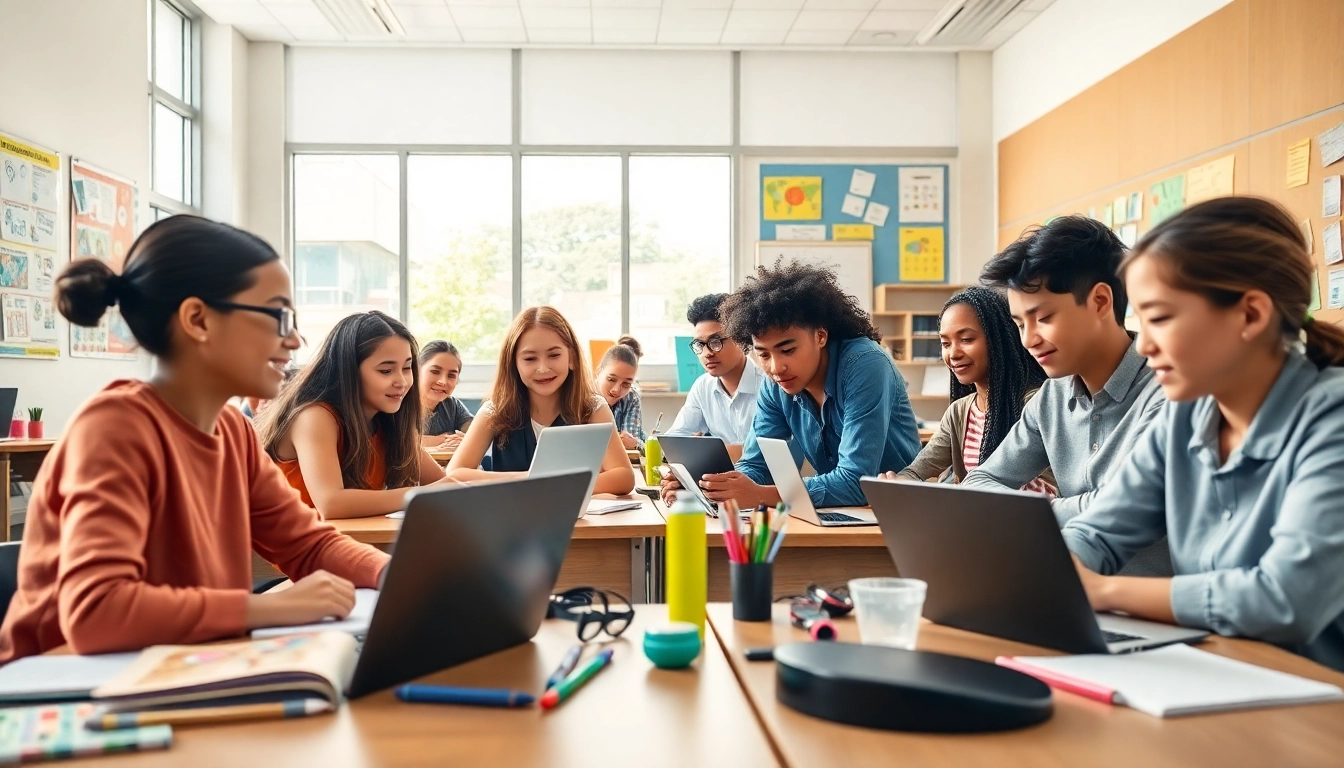
Empowering Minds: A Comprehensive Guide to Modern Education Strategies
Understanding Education in the Digital Age In today’s fast-paced world,…
Proven Insights into WIN55: Understanding Its Role in Cannabinoid Research 2025
Introduction to WIN55 and Cannabinoid Research The exploration of cannabinoids…

Essential Guide to Help with Nursing Capstone Project
Nursing students on the cusp of graduation face a significant…