
Enhancing Community Impact Through Construction Advocacy
Understanding Construction Advocacy
Definition and Importance
Construction advocacy encompasses the efforts and actions taken to promote the interests of the construction industry, ensuring that essential issues are represented at various levels of government and within communities. It plays a pivotal role in shaping public policies that affect the construction sector, influencing legislation, and fostering relationships among stakeholders. By participating in construction advocacy, industry professionals can protect their interests while also contributing positively to community development.
The Role of Stakeholders
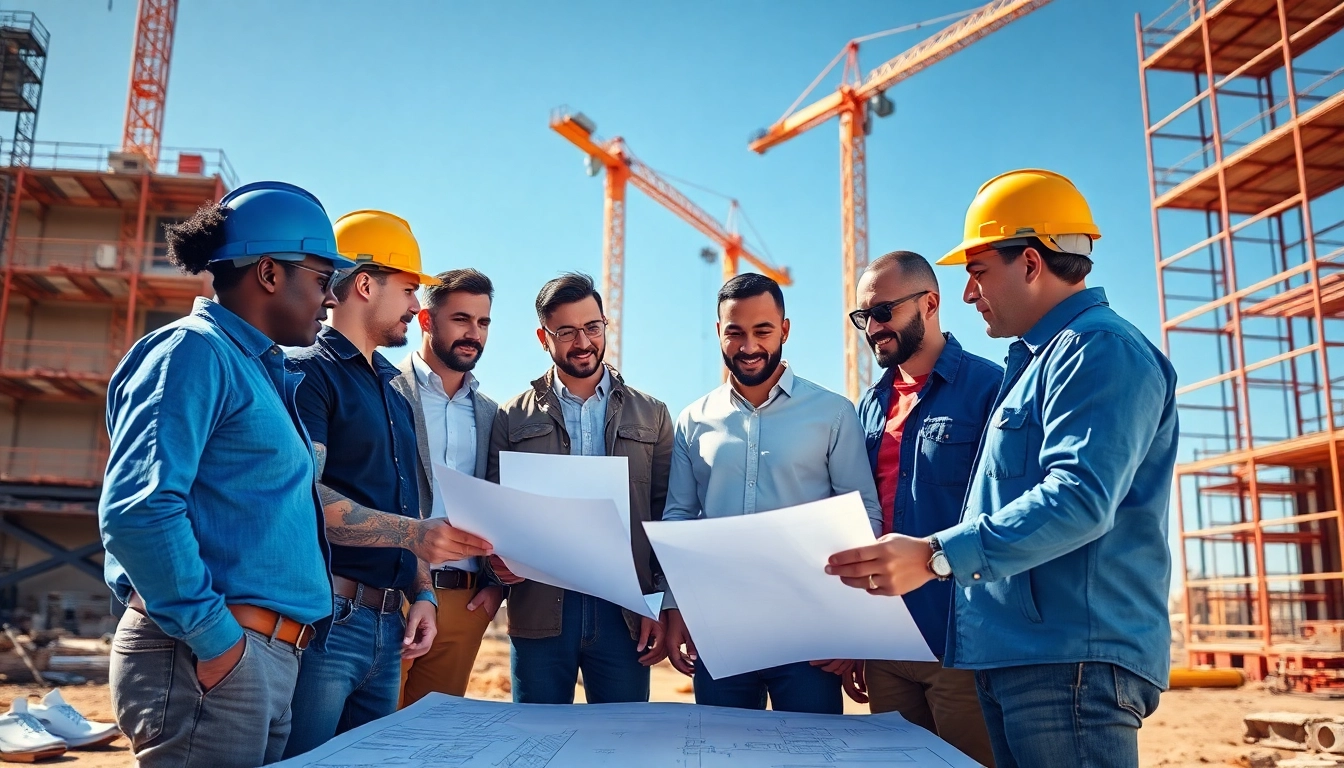
Stakeholders in construction advocacy include contractors, builders, labor unions, government officials, and communities at large. Each group brings unique perspectives and needs to the table. For instance, contractors focus on regulations that affect profitability, while labor unions advocate for workers’ rights and safety standards. To achieve effective advocacy, collaboration among stakeholders is essential. This cooperation ensures that the diverse interests within the construction industry are harmonized for collective benefits, leading to stronger policies and community support.
Key Goals of Construction Advocacy
The primary goals of construction advocacy include:
- Promoting Fair Legislation: Advocates work toward creating regulations that foster a fair competitive environment.
- Enhancing Public Safety: Advocates push for standards that ensure construction projects meet safety and sustainability requirements.
- Encouraging Economic Growth: Advocacy promotes policies that stimulate economic development through construction projects which can create jobs and improve infrastructure.
Building Community Engagement
Strategies for Outreach
Effective community engagement is fundamental for successful construction advocacy. Strategies include hosting informational workshops, participating in local events, and using social media platforms to communicate directly with community members. These efforts help build awareness about the positive impacts of construction projects and foster dialogue about community concerns.
Establishing Trust with Communities
Establishing trust requires transparency, responsiveness, and consistent communication. Construction advocates should actively seek feedback from community members and address their concerns openly. This can be achieved by setting up regular forums for discussion and providing updates on project progress. Building trust enhances community support, making it easier to navigate challenges during construction projects.
Case Studies of Successful Engagement
One notable example of successful community engagement is the redevelopment of urban spaces that included public input at every stage. In these projects, advocates not only informed the public but also incorporated their feedback, resulting in designs that reflected community needs and desires. Success stories like these illustrate the importance of grassroots involvement in construction planning and execution.
Legislative and Policy Advocacy
Understanding Regulatory Frameworks
The regulatory frameworks governing the construction industry can be complex, impacting everything from project financing to environmental compliance. It is crucial for advocates to understand these regulations thoroughly to navigate effectively and influence potential changes. Regular training and education on current laws can empower stakeholders to better advocate for improvements that favor the construction landscape.
Advocacy for Sustainable Practices
As sustainability becomes increasingly central to public policy, construction advocates play a critical role in promoting green building practices. This involves not only supporting legislation that encourages the use of sustainable materials but also advocating for energy-efficient designs. By raising awareness of the environmental benefits of these practices, advocates can drive both policy change and industry adoption.
Collaborating with Policymakers
Collaboration with policymakers is essential to creating workable regulations that benefit the construction industry. Advocates should engage with government officials, providing them with data-driven insights and expert recommendations. This collaboration helps ensure that any new legislation is practical, sustainable, and encourages growth within the construction sector.
Measuring Impact of Advocacy Efforts
Performance Metrics to Track Success
To determine the effectiveness of advocacy efforts, it is important to establish clear performance metrics. These metrics may include the number of stakeholder engagements, the volume of supportive public comments received, and changes in relevant legislation. Tracking these metrics allows organizations to assess whether their strategies are successful and where improvements are needed.
Feedback and Continuous Improvement
Receiving feedback from community members and stakeholders is vital for continuous improvement. Advocates should implement structured feedback mechanisms, such as surveys and public forums, to gather insights on their advocacy work. Analyzing this feedback can help refine strategies and enhance overall impact.
Sharing Success Stories
Sharing successes not only inspires confidence in advocacy efforts but also encourages further community participation. Regularly showcasing achievements through case studies, newsletters, or social media can create a sense of community ownership over construction projects, reinforcing the importance of ongoing advocacy.
Future Trends in Construction Advocacy
Technology and Innovation
As technology evolves, so too do the methods for construction advocacy. Tools such as data analytics and virtual reality can enhance presentations and outreach efforts, providing stakeholders with comprehensive insights into projects. Advocates can leverage these technologies to engage with communities more effectively, ensuring their messages resonate.
The Role of Social Media in Advocacy
Social media platforms are becoming powerful tools for construction advocacy, allowing for real-time communication and outreach. Using social media strategically can keep communities informed and engaged, creating a platform for dialogue and feedback. The ability to share updates quickly helps build momentum and support for advocacy initiatives.
Emerging Challenges and Opportunities
The construction industry faces various challenges, including regulatory hurdles and public perception issues. However, these challenges also provide opportunities for proactive advocacy. By addressing concerns through well-informed strategies, construction advocates can position themselves as trusted resources and thought leaders in their communities.
Frequently Asked Questions
What is construction advocacy?
Construction advocacy refers to efforts aimed at promoting the interests of the construction industry, influencing policies, and enhancing community relationships.
Why is community engagement important?
Community engagement fosters trust, ensures stakeholder input, and helps create construction projects that align with public needs.
How can I measure advocacy success?
Success can be measured using metrics such as stakeholder engagement, legislative changes, and community feedback responsiveness.
What role does technology play in advocacy?
Technology enhances outreach and communication, providing tools like data analytics and social media to support advocacy initiatives.
How can stakeholders collaborate effectively?
Stakeholders can collaborate by sharing information, participating in joint events, and establishing common goals through open dialogue.