Enhancing Interior Design with Fluted Wood Panels for a Modern Touch
Introduction to Fluted Wood Panels
Fluted wood panels have emerged as a stylish and functional choice in contemporary interior design. These panels, characterized by their vertical grooves or channels, offer a distinctive finish that elevates any space. Whether used in residential or commercial applications, fluted wood panels present a unique blend of aesthetic appeal and practical benefits, making them increasingly popular among architects and designers.
What Are Fluted Wood Panels?
Fluted wood panels are engineered panels that feature a series of elongated grooves running vertically along their surface. The fluting process, which can be achieved through milling techniques, creates depth and tactile interest, enhancing both the visual and physical texture of the panels. Typically made from solid wood or engineered wood products, these panels can be finished in various ways, allowing them to adapt to numerous design themes.
Benefits of Using Fluted Wood Panels
The benefits of fluted wood panels extend beyond their visual appeal. Here are some key advantages:
- Aesthetic Versatility: Fluted wood panels can complement a range of design styles, from modern to traditional, and offer an elegant touch to any interior.
- Light Manipulation: The vertical grooves create shadows and light variations that can enhance a room’s perception of depth and space.
- Sound Absorption: The textured surface of fluted wood panels can help absorb sound, making them a great choice for spaces requiring acoustic consideration.
- Ease of Installation: Pre-manufactured panels can be easier to install than traditional wall treatments, saving both time and labor costs.
- Durability: High-quality wood panels, when properly maintained, can last for years, maintaining their beauty and integrity.
Common Applications for Fluted Wood Panels
Fluted wood panels find themselves in a variety of applications, enhancing both functionality and style. Common uses include:
- Wall Paneling: Ideal for accent walls, these panels add character and style to any room.
- Ceiling Design: Elevating ceilings with fluted panels can create a unique visual effect that draws the eye upward.
- Furniture Accents: Incorporating fluted panels into furniture design can add an extra dimension and sophistication.
- Partitions: Fluted panels can be used to create functional and stylish room dividers in open spaces.
Design Trends Featuring Fluted Wood Panels
Modern Aesthetics Incorporating Fluted Wood Panels
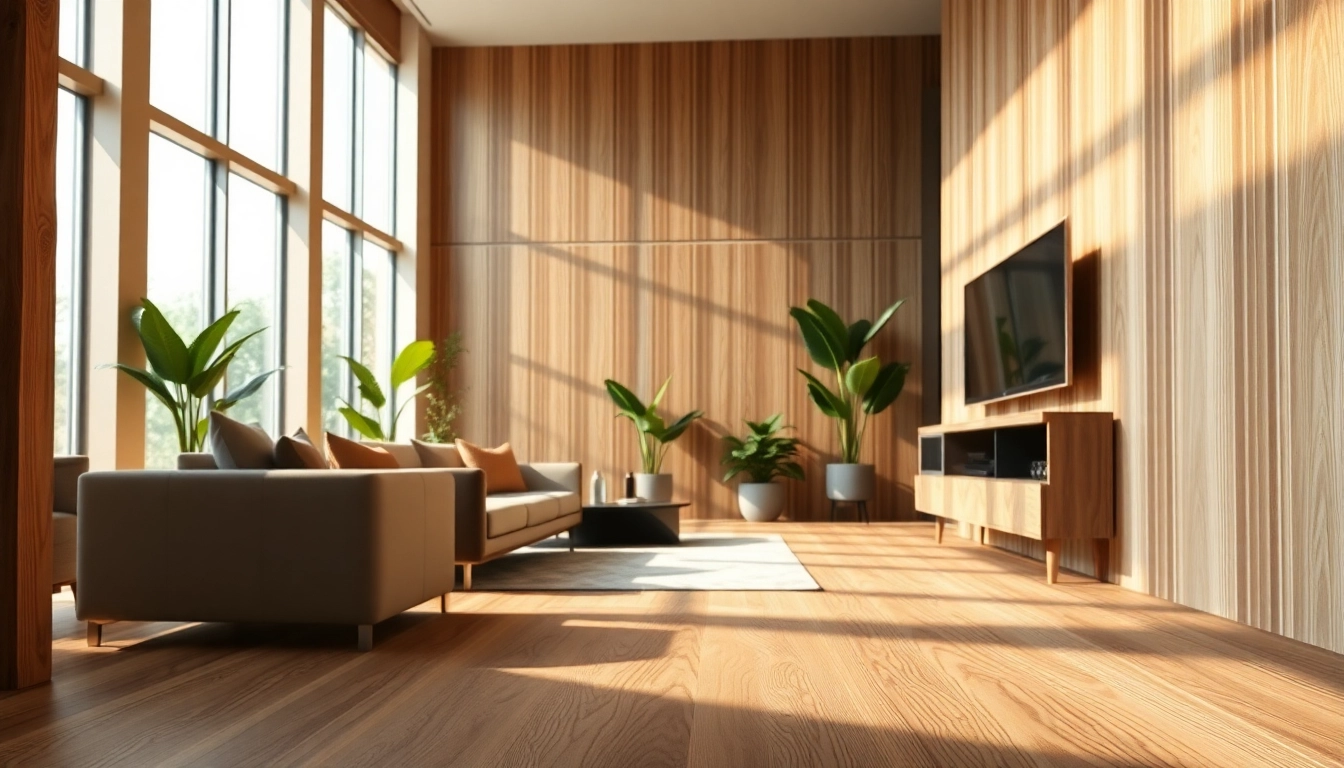
In modern design, fluted wood panels are increasingly used to create clean lines and a sense of sophistication. They work particularly well in minimalistic settings, where functionality and beauty intersect. Designers are leveraging the texture of these panels to create focal points without overwhelming the eye. This trend showcases how fluted wood panels can harmonize with minimalist décor by adding subtle grandeur while maintaining a clean aesthetic.
Mixing Materials with Fluted Wood Panels
A notable design trend is the combination of fluted wood panels with other materials, such as metal, glass, or stone. This approach adds layers of texture and visual interest. For example, pairing fluted wood panels with matte black or brass fixtures can create a stunning contrast, while glass elements can enhance the openness of a space. This mixing of materials helps create a dynamic interplay between elements, lending to innovative and personalized designs.
Color Schemes and Fluted Wood Panels
When incorporating fluted wood panels into a design scheme, color choices play a critical role in enhancing their effect. Neutral color palettes can emphasize the natural beauty of the wood grain, whereas bold colors can make a striking statement. Additionally, light and dark contrasts in finishes can help define shapes and create movement within a space. The versatility of color with fluted wood panels means they can resonate with personal style while complimenting the environment.
Installation Considerations for Fluted Wood Panels
Preparation for Installing Fluted Wood Panels
Before installing fluted wood panels, preparation is key to achieving a professional finish. Start by determining the area where the panels will be installed and measuring dimensions accurately. Be sure to inspect the wall for imperfections or irregularities and address any issues prior to installation. It’s advisable to allow the panels to acclimate to the room’s temperature and humidity, which helps prevent future warping or buckling.
Choosing the Right Adhesives and Tools
Selecting the appropriate adhesives and tools is crucial when installing fluted wood panels. Strong adhesives specifically designed for wood can help ensure a secure bond. In terms of tools, you’ll need a saw for cutting, measuring tape for precision, a level to guarantee straight edges, and clamps for holding the panels in place during adhesion. Having all necessary materials on hand before starting ensures a smoother installation process.
Common Installation Mistakes to Avoid
When installing fluted wood panels, there are several common mistakes to be mindful of:
- Failing to account for expansion and contraction, which can lead to gaps or warping.
- Not ensuring proper alignment, which can result in uneven panel installation.
- Using the wrong adhesive, which can affect the durability and longevity of the panels.
- Neglecting to measure multiple times before cutting, leading to costly inaccuracies.
Maintaining Fluted Wood Panels
Cleaning Techniques for Fluted Wood Panels
To maintain the beauty and integrity of fluted wood panels, regular cleaning is essential. A soft, dry cloth is effective for removing dust and debris. For deeper cleaning, a slightly damp cloth with a mild wood-safe cleaner can be applied. Avoid excess moisture as it can damage the wood; thus, a light touch is preferred to keep the panels looking pristine.
Preventative Care for Longevity
Preventative care is crucial to extend the lifespan of fluted wood panels. This includes maintaining stable humidity and temperature levels in the space to prevent warping. It’s also advisable to avoid placing heavy objects on or near the panels, which can lead to damage. Consider treating the panels with a suitable wood conditioner or sealant, which helps protect against scratches and moisture exposure.
Refinishing Tips for Fluted Wood Panels
If fluted wood panels begin to show signs of wear, refinishing can restore their original beauty. Start by sanding the panels lightly to remove old finishes. Follow this by applying a coat of stain or sealant to rejuvenate the color. For intricate fluted designs, ensure to sand evenly to avoid losing the texture. Regular refinishing not only preserves but also enhances the aesthetics of the panels.
FAQs About Fluted Wood Panels
What styles go well with fluted wood panels?
Fluted wood panels complement modern, minimalist, and Scandinavian styles, enhancing clean lines and textures.
Are fluted wood panels suitable for bathroom use?
Yes, but ensure proper sealing and ventilation to prevent moisture damage.
How can I enhance fluted wood panels’ visual appeal?
Combine with contrasting colors, decorative lighting, or varied material finishes for a dynamic look.
What are the cost factors for fluted wood panels?
Costs can vary based on wood type, panel size, and installation complexity.
Can fluted wood panels be painted?
Yes, they can be painted; however, the texture adds visual interest even without color changes.