1. Introduction to Sacramento Wineries
Sacramento, the capital city of California, is often overshadowed by the more famous wine regions like Napa Valley and Sonoma. However, Sacramento Wineries have been quietly carving out a niche for themselves, offering exceptional wines that reflect the diversity of the region's climate and soil. This article delves into the vibrant wine culture of Sacramento, highlighting not only the wineries but also the significance of local vineyards, the experiences they offer, and how they contribute to the local economy.
1.1 Overview of Sacramento's Wine Industry
The Sacramento wine industry has seen remarkable growth over the past decade. With over 200 wineries scattered throughout the surrounding counties, including Yolo, El Dorado, and Placer, the area is becoming a prominent player in the California wine scene. The region benefits from a Mediterranean climate characterized by warm, dry summers and cool, wet winters, providing ideal growing conditions for a variety of grape varietals.
While the city itself might not host the grandiosity of Napa's sprawling estates, Sacramento's wineries focus on quality over quantity, producing outstanding wine that showcases local terroirs. Additionally, many of these wineries prioritize sustainable practices, further enhancing the appeal among eco-conscious consumers.
1.2 Importance of Local Vineyards
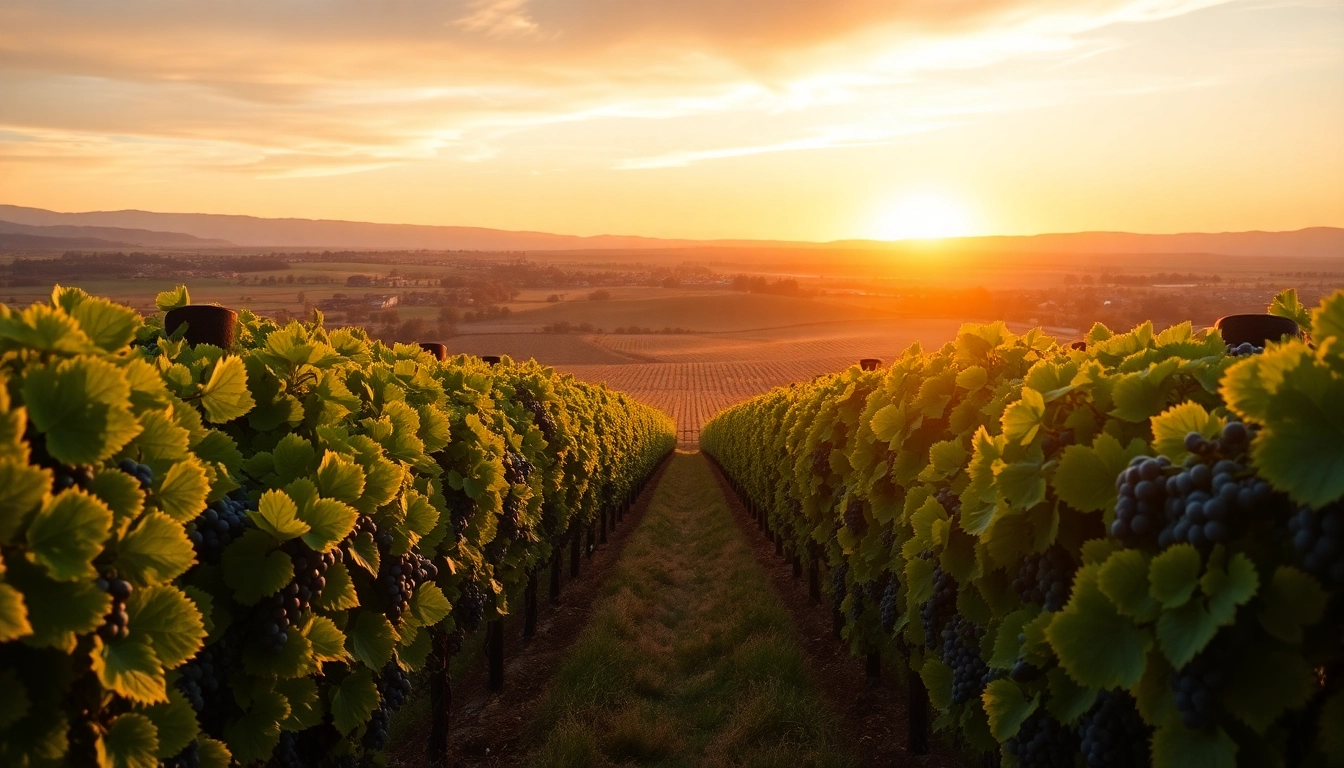
Local vineyards are the backbone of Sacramento's wine industry, not only contributing to the unique flavors found in the region's wines but also supporting the local economy. They preserve the agricultural landscape, providing a scenic backdrop to the city and enhancing biodiversity. Many vineyards are family-owned operations that emphasize traditional winemaking techniques, which allows them to produce handcrafted wines that tell a story with each bottle.
Furthermore, these vineyards cultivate an appreciation for sustainable agriculture. By focusing on organic and biodynamic farming practices, they contribute to the preservation of local ecosystems and promote healthier soils.
1.3 What to Expect when Visiting
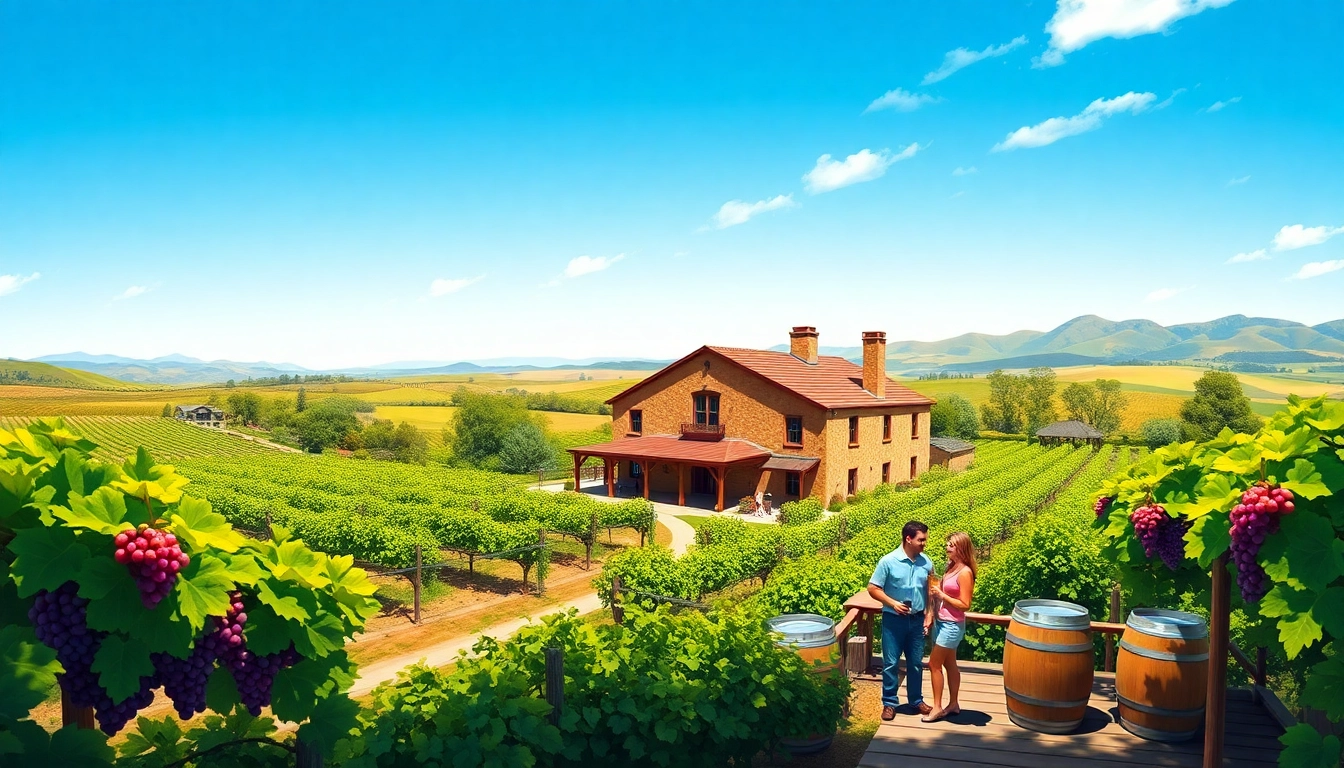
Visiting Sacramento wineries is more than just a tasting experience; it's an immersion into the culture and community surrounding wine production. Guests can expect to find a warm, welcoming atmosphere, where they can not only sample exquisite wines but also engage with the winemakers and staff, who are often more than happy to share their knowledge and passion for winemaking.
Many wineries offer guided tours, educational tastings, and opportunities to explore the vineyards themselves, allowing visitors to connect with the land and understand the journey from grape to glass. Seasonal events, live music, and food pairings often enhance the experience, making a trip to Sacramento's wineries an enjoyable outing for friends, couples, or families.
2. Popular Sacramento Wineries to Visit
2.1 Notable Vineyard Names
As you navigate through Sacramento's wine scene, several wineries deserve special mention due to their outstanding offerings and commitment to quality. Some notable names include:
- Revelry Vintners: Known for their exceptional Cabernet Sauvignon and Merlot, this winery emphasizes small-batch production and locally sourced grapes.
- Sage Ridge Winery: Positioned in the Sierra Foothills, Sage Ridge produces wines that embody the essence of the region, particularly their Zinfandel and Chardonnay.
- Fruit Street Winery: A favorite among locals, this urban winery in Sacramento excels in crafting unique blends using grapes sourced from nearby vineyards.
2.2 Unique Winery Experiences
Many Sacramento wineries offer distinct experiences that set them apart from the typical wine-tasting agenda. For example:
- Wine Blending Workshops: Some wineries offer guests the chance to create their own blends, providing an engaging, hands-on experience.
- Vineyard Picnics: Several establishments allow visitors to enjoy delicious food pairings amidst the vines, enhancing the overall experience with breathtaking views.
- Art and Wine Events: Unique collaborations between local artists and wineries often lead to creative events where guests can enjoy wine while admiring or creating art.
2.3 Signature Wines to Taste
Every vineyard in Sacramento has its signature wines, reflecting the unique characteristics of their terroirs. Here are a few must-try offerings:
- Rich Cabernet Sauvignon: Renowned for its depth and complexity, this wine often carries notes of dark fruit, vanilla, and spice.
- Bright Sauvignon Blanc: A refreshing white that showcases citrus and grassy notes, perfect for pairing with light cuisine.
- Elegant Syrah: Exhibiting rich flavors of dark berries, pepper, and earthiness, this varietal has become a staple for many Sacramento wineries.
3. Events and Festivals in Sacramento Wineries
3.1 Wine Tasting Events
Throughout the year, wineries in Sacramento host a variety of wine tasting events, allowing visitors to sample different styles and learn about the winemaking process. These events often feature guided tastings led by experienced sommeliers, providing guests with insights into the nuances of each wine.
Additionally, many wineries offer themed tasting events that focus on specific varietals or pairings, allowing enthusiasts to dive deeper into their preferences. Such events not only cater to seasoned wine aficionados but also attract novices eager to learn more about the world of wine.
3.2 Seasonal Festivals
During key seasons, Sacramento hosts a range of wine festivals that celebrate local wines and the communities that produce them. Events like the Sacramento Wine and Food Festival typically feature local chefs pairing culinary creations with regional wines, fostering a spirit of collaboration and appreciation within the community. These festivals are an excellent opportunity for attendees to explore a wide variety of wines all in one location.
Additionally, harvest festivals in the fall invite visitors to partake in grape picking and stomping activities, creating a festive atmosphere that honors the winemaking tradition.
3.3 Community Engagement Activities
Many Sacramento wineries prioritize community involvement through educational programs and outreach initiatives. Wine education classes, for example, teach individuals about the art of winemaking, vineyard management, and wine tasting techniques. Additionally, some wineries engage in community service, partnering with local organizations to promote agricultural education and environmental sustainability.
These initiatives not only enhance the local wine culture but also help foster a strong sense of connection among community members, enhancing the overall experience of visiting the region's wineries.
4. The Impact of Sacramento Wineries on the Local Economy
4.1 Job Creation and Tourism
The expansion of wineries around Sacramento has significantly contributed to job creation and tourism in the area. From vineyard staff to hospitality professionals, the growing wine industry has generated numerous employment opportunities for local residents. As more tourists flock to the region for its wine offerings, local businesses such as restaurants, hotels, and retailers also benefit from increased foot traffic and sales.
Moreover, wineries frequently partner with local hotels and tour companies to create wine-focused packages that entice visitors to explore Sacramento, further boosting the local economy.
4.2 Supporting Local Farmers
Many Sacramento wineries pride themselves on sourcing grapes from local farmers, thereby supporting the agricultural community. This practice not only strengthens the local supply chain but also encourages sustainable farming practices, as many vineyards work hand in hand with local producers to promote environmentally friendly farming.
By fostering these connections, wineries play a crucial role in maintaining and promoting the region's agricultural heritage while ensuring quality wines that reflect the essence of Sacramento.
4.3 Environmental Stewardship Initiatives
As sustainability gains prominence in the wine industry, many Sacramento wineries have taken significant steps towards environmental stewardship. Initiatives such as water conservation practices, soil health improvement, and the use of renewable energy sources are becoming increasingly common. Many local wineries are either certified organic or are in the process of transitioning to organic practices, demonstrating their commitment to preserving the land for future generations.
These initiatives not only benefit the environment but also attract eco-conscious consumers who prioritize sustainability in their purchasing decisions.
5. Conclusion: The Future of Sacramento Wineries
5.1 Trends in the Wine Industry
The wine industry is continuously evolving, with new trends emerging that appeal to diverse consumer preferences. In Sacramento, this trend has seen a rise in boutique wineries focusing on niche markets, such as organic wines, which align with the preferences of younger wine enthusiasts. Additionally, educational experiences and immersive wine tourism are gaining traction, as consumers seek deeper connections with their wines and the regions they come from.
5.2 Opportunities for New Wineries
As the demand for locally produced wines continues to grow, opportunities for new businesses abound. Aspiring winemakers have access to abundant land and resources within the Sacramento area. With careful planning and a commitment to quality, new entrants can thrive in this competitive landscape, particularly if they emphasize unique offerings or eco-friendly practices. The community also welcomes innovation, encouraging newcomers to incorporate fresh ideas that enhance the local wine culture.
5.3 Final Thoughts on Visiting
In closing, Sacramento’s wineries offer more than just wine; they provide an authentic connection to the land, the community, and the artistry of winemaking. As you plan your visit, immerse yourself in the various experiences available, from tastings and tours to festivals and events. Whether you are a seasoned connoisseur or a casual enthusiast, Sacramento wines have something for everyone. The region is poised for continued growth and recognition in the broader wine landscape, promising exciting adventures for wine lovers for years to come.