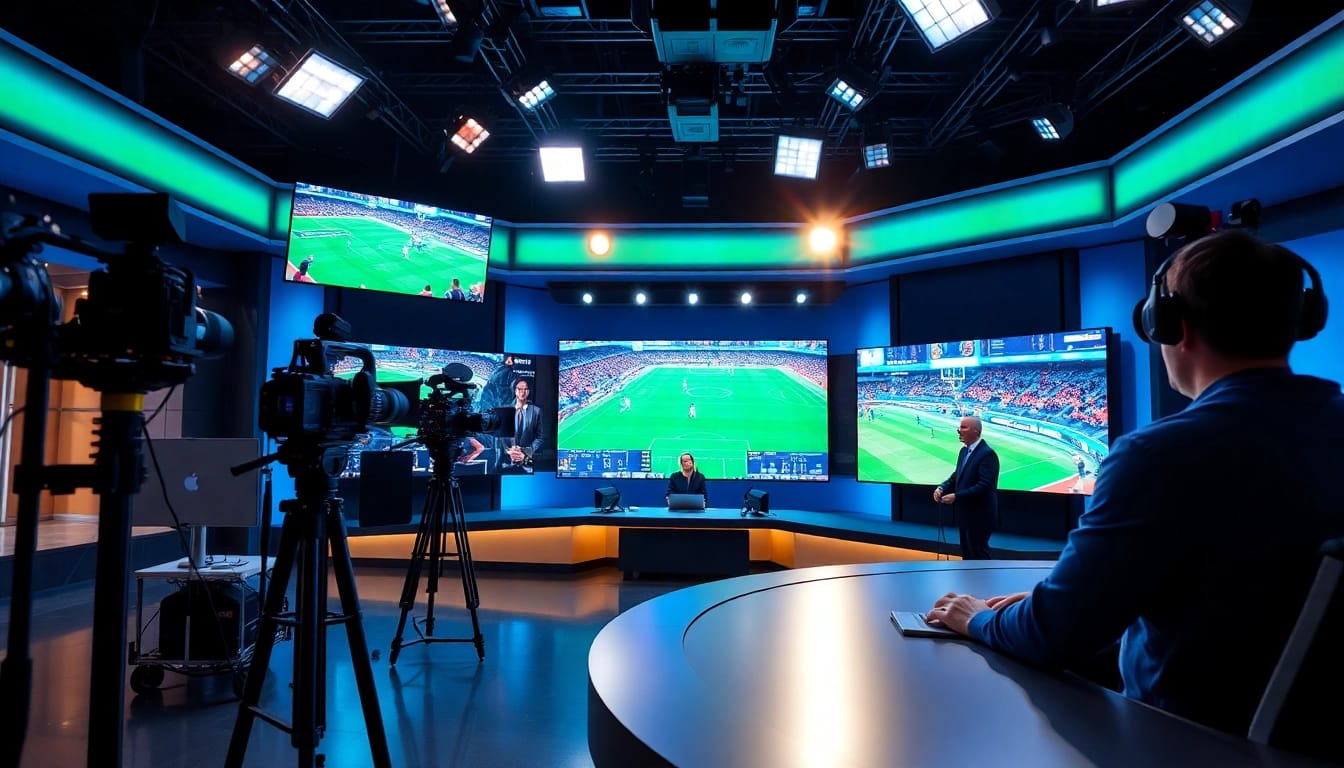
Understanding Sports Broadcasting Basics
Sports broadcasting is a sector that has undergone significant transformation over the years, merging technology, media, and sports to create a dynamic viewing experience. With the increasing popularity of various sports and the evolution of digital platforms, Sports Broadcasting has become integral to how fans consume their favorite games. This article delves into the fundamentals of sports broadcasting, exploring its evolution, key players, technical aspects, and future trends.
What is Sports Broadcasting?
Sports broadcasting refers to the dissemination of sports content through various media channels, primarily television, radio, and online platforms. This includes live coverage of events, highlight reels, commentary, and sports analysis. The primary objective is to provide audiences with accessible and engaging content that enhances their enjoyment and understanding of the sport. As technology advances, sports broadcasting has expanded to include virtual and augmented reality experiences, truly revolutionizing how fans engage with their favorite teams and athletes.
The Evolution of Sports Broadcasting
The journey of sports broadcasting began in the early 20th century with radio broadcasts, which brought sporting events to life for audiences who could not attend in person. Rapid advancements in technology soon led to the inception of television broadcasts in the 1940s, transforming how sports were experienced. The introduction of cable and satellite television in the 1980s allowed for more channels dedicated exclusively to sports, further enhancing fan access.
The 21st century heralded a new era with the rise of the internet and streaming services, allowing fans to watch games live on various devices. This shift not only increased accessibility but also provided opportunities for broadcasters to interact with their audiences in real-time, fostering a more engaged community. Innovations such as 4K and HDR broadcasting have enhanced visual quality, making sports watching an immersive experience.
Key Players in Sports Broadcasting
In the realm of sports broadcasting, several key players contribute to the landscape:
- Networks and Channels: Major television networks and cable channels play a significant role in sports broadcasting, offering coverage for a wide array of sports.
- Streaming Services: Platforms such as Netflix, Amazon Prime, and otros have entered sports broadcasting by offering exclusive rights to certain events.
- Commentators and Analysts: These professionals provide live commentary, insights, and analysis, enriching the viewer experience.
- Sports Leagues: Organizations like the NFL, NBA, and FIFA negotiate broadcasting rights, determining how their events are presented on different platforms.
Technical Aspects of Sports Broadcasting
The technical backbone of sports broadcasting is essential for delivering high-quality content to viewers. An understanding of the equipment and tools used in broadcasting is crucial for anyone looking to enter this field.
Essential Equipment for Sports Broadcasting
High-quality sports broadcasting relies on various types of equipment, including:
- Cameras: Professional-grade cameras are necessary to capture live action, often using multiple angles to enhance viewer experience.
- Microphones: High-quality microphones are vital for clear audio, allowing spectators to hear commentary and ambient sounds effectively.
- Switching Equipment: This equipment enables broadcasters to switch between different camera feeds seamlessly during live events.
- Graphics and Animation Tools: These tools create engaging visuals, such as statistics and player profiles, that enrich the viewing experience.
Broadcasting Software and Tools
To effectively manage and produce live broadcasts, operators use various software tools, including:
- Live Streaming Software: Programs like OBS Studio allow broadcasters to manage live video feeds and integrate graphics.
- Editing Software: Post-production editing software is essential for creating highlight reels and promotional content.
- Remote Production Tools: These allow broadcasters to produce events from remote locations, reducing costs and increasing flexibility.
Understanding Signal Transmission
Signal transmission is fundamental for delivering content from the broadcaster to the audience. This involves using satellite, fiber optics, and internet connections to ensure a smooth and high-quality viewing experience. Understanding these technologies is crucial to troubleshooting potential issues that may arise during live events.
Enhancing Viewer Engagement
Engaging viewers is crucial for broadcasting success, as audience participation can significantly affect ratings and loyalty to a network or platform. Here are some strategies to enhance viewer interaction.
Creating Compelling Content
Content is king in the broadcasting landscape. Broadcasters should focus on delivering high-quality, engaging content that tells a story. This might involve pre-game analysis, engaging interviews with athletes, and behind-the-scenes footage that offers fans unique insights.
Utilizing Social Media
Social media platforms have transformed the broadcasting landscape by enabling real-time engagement. Broadcasters can leverage platforms like Twitter, Instagram, and TikTok to share highlights, conduct polls, and foster discussions around live events. This two-way communication model helps build a community and keeps audiences engaged.
Interactive Features in Sports Broadcasting
Incorporating interactive features such as live polls, quizzes, and chat functionalities can enhance viewer experiences during broadcasts. By allowing viewers to participate actively, sports broadcasters can create a sense of community and increase viewer retention rates.
Challenges in Sports Broadcasting
Despite its innovations, sports broadcasting faces several challenges that can affect performance and viewer satisfaction.
Dealing with Live Event Uncertainties
Live events are inherently unpredictable; issues like delays, technical difficulties, and unexpected occurrences can disrupt broadcasts. Broadcasters must be prepared with contingency plans, including backup feeds and alternative content, to ensure a smooth viewing experience.
Licensing and Rights Issues
Broadcasting licensing is a complex area, often requiring extensive negotiations and paperwork. Rights management is essential to ensure that broadcasters can legally present content without facing legal repercussions. Staying updated on changes in rights and regulations is crucial for success.
Adapting to Technological Changes
The rapid pace of technological advancement poses a challenge for broadcasters. Constantly upgrading equipment and training staff to use new tools can strain budgets and resources. Broadcasters must also keep an eye on emerging technologies to remain competitive.
Future Trends in Sports Broadcasting
As the industry continues to evolve, several trends are shaping the future of sports broadcasting.
The Impact of Streaming Services
Streaming services are quickly changing how audiences access sports content, offering flexibility and affordability. As more fans turn to these platforms for their viewing needs, traditional broadcasters must adapt their strategies to remain relevant.
Augmented Reality and Virtual Experiences
Augmented reality (AR) and virtual reality (VR) are becoming pivotal in sports broadcasting. They provide fans with immersive experiences that enhance how they watch games. For instance, AR can provide real-time statistics on screen, while VR can allow fans to "attend" games from their homes.
Sustainability in Sports Broadcasting
As environmental concerns grow, there is a push for sustainable practices within sports broadcasting. This includes reducing carbon footprints through energy-efficient equipment and embracing eco-friendly production processes. Broadcasters that prioritize sustainability may find favor with environmentally conscious audiences.
FAQs
What is the role of commentators in sports broadcasting?
Commentators provide live narration of events, offering insights and enhancing viewer engagement through their expertise.
How has technology changed sports broadcasting?
Technology has enabled high-definition broadcasts, mobile streaming, and interactive features, making sports more accessible to audiences.
What major challenges do sports broadcasters face?
Challenges include live event unpredictability, licensing rights, and the need to adapt to rapidly changing technologies.
How can social media enhance sports broadcasting?
Social media allows for real-time engagement, audience interaction, and sharing highlights, increasing overall fan participation.
What should broadcasters consider to engage viewers?
Broadcasters should focus on creating compelling content, leveraging social media, and incorporating audience feedback to enhance engagement.